I almost got off the bus.
Sitting there before we took off, bags being loaded, heart racing, I seriously considered stepping out and calling the whole thing off. Five and a half years sober, and fear still shows up in the body the same way it always did. What changed is what I do with it. I kept breathing. The bus started moving. And the shift happened.
This is the story of a five-day, 40+ mile trek through the Andes — from altitude sensitivity, the fear of not being able to complete the hike, to ceremonies on mountaintops and sitting cross-legged at Machu Picchu. It wasn’t easy. It was a very expansive experience. And there’s no question I would have been riding a horse up the mountain if I were still drinking.
The trip was organized by Ryan Lee and Capsule Adventures, a sober-based adventure travel company. I was excited to experience this first, then explore what it might look like to bring something like it to the community. I signed up. Intentionally avoided looking at the full itinerary. And boarded a plane to Peru.
Show Notes
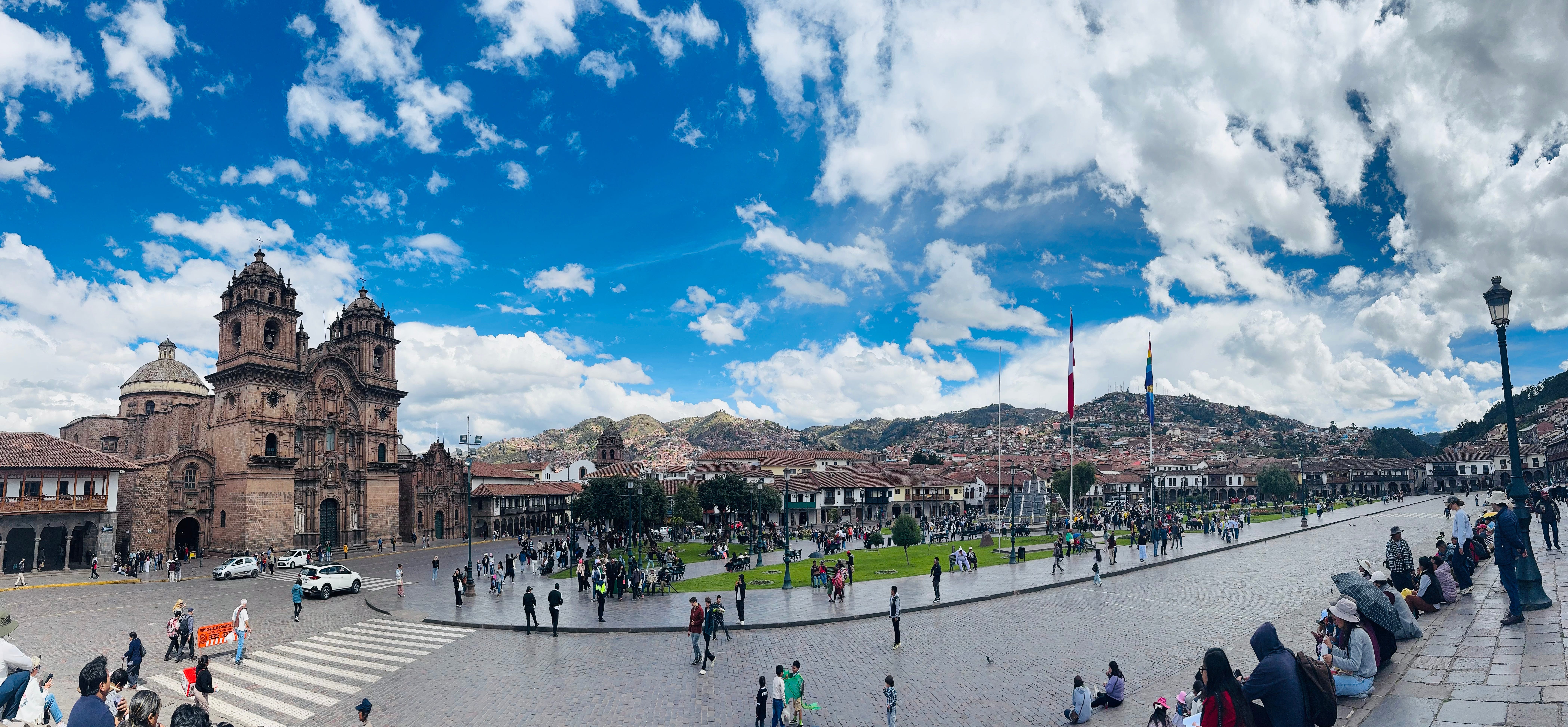
[00:00] Arrival in Cusco — When Your Body Says “Wait, What Did You Sign Me Up For?”
Cusco sits just over 12,000 feet of elevation. The altitude hits fast and it hits hard — heart rate over 110 just sitting at breakfast, physically shaking across the table from Ryan while he described what to expect.
The hotel had an oxygen tank on site, which I used multiple times in those first days. I also visited a local medic — just $12 — and got altitude medication that made a real difference.
A moment of unexpected beauty broke through the anxiety: standing on the street watching a parade of women in bright red dresses spinning past, men in green playing trumpets. “I almost started to cry. I pretty much started to cry because it was just that electricity, that joy feeling that comes like a rush through your body of like — I’m here in this country.”
The group was small: Ryan, John, Kat, Abbie, and our guide Cesar from Alpaca Expeditions. That intimacy was just right.
Key Insight:
“When you’re told something versus when you’re feeling it is entirely different.” (Relating to the acclimation of the body in higher altitudes)
[09:39] Day One — The First Test, a Lagoon, and Learning to Move Slowly
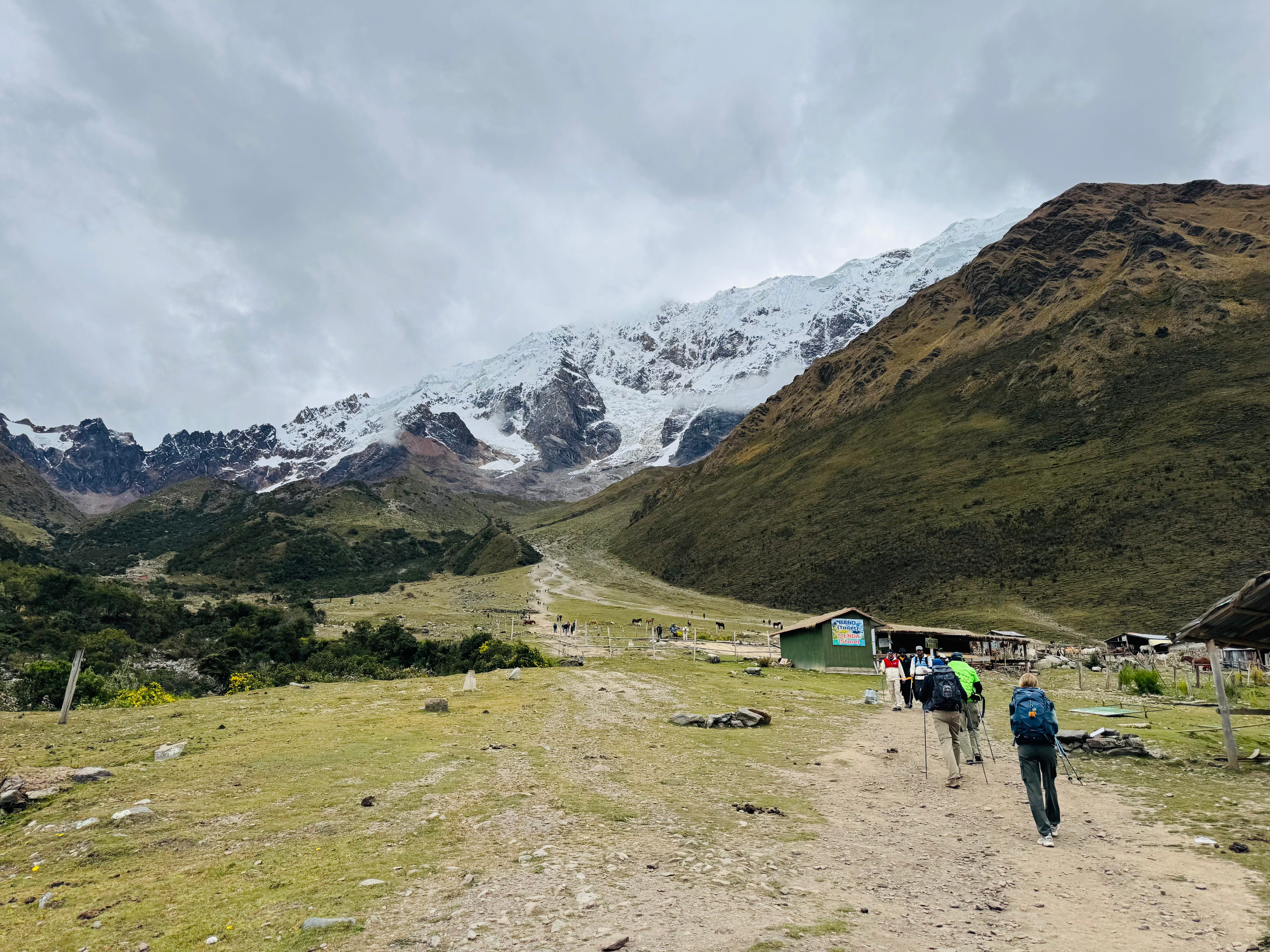
Day one was a test hike up to a mountain lagoon — steep incline, heavy breathing, taking breaks. I discovered how much I loved the slow rhythm of the climb. The physicality of it. One step at a time.
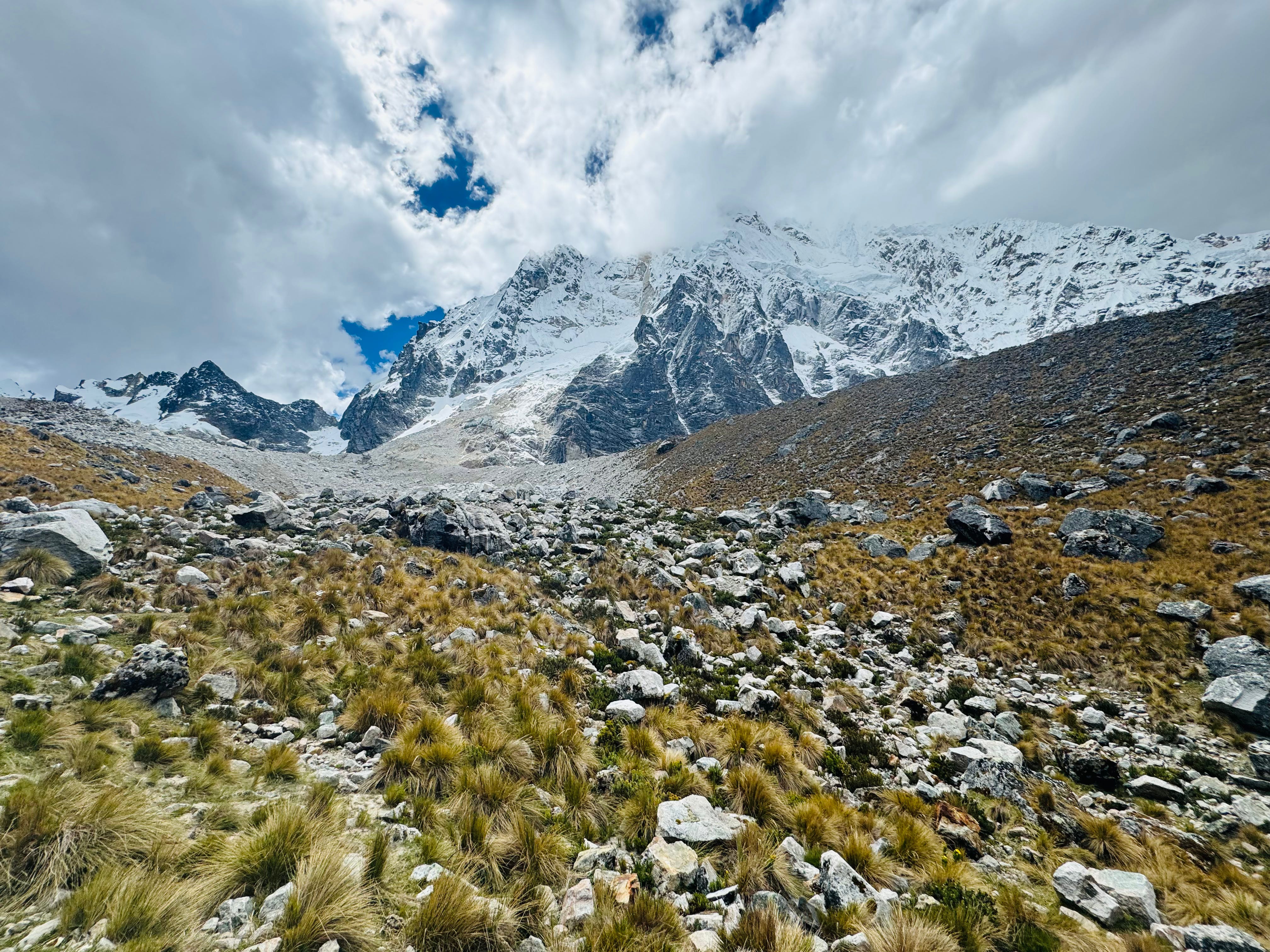
At the top, it started hailing. A crystal blue lagoon sat in front of them with a white mountain in the backdrop. Worth every step.
Learning more about Cesar and his background was fascinating. He’s been doing the Inca trail for 26 years — some months, back-to-back every week. “This human being — I don’t even think he’s a human being. He just looks like a mountain. It’s almost like he’s just connected to the mountain and the spirits there.”
First ceremony with coca leaves: holding them toward the four directions, then placing them under a rock. A ritual of respect for the mountains.


Key Insight:
“I really enjoyed the climbing — the climb up. I loved the slow pace of it and the physicality of it.”
[17:36] Day Two — The Hardest Day (And It Showed)
5:00 or 5:30 AM start. Cold. A massive climb with the landscape shifting from green to rock. I noticed something about perspective: standing far back and looking ahead, your mind plays tricks on the distance. Getting to the next point and looking back — “there’s like no sense of time. I had no concept of like that felt like five minutes ago and maybe it was an hour.”
We witnessed an avalanche on the mountain. Called “small” only because the mountain it fell from was enormous.
At the top, another ceremony. A moment of stillness. “You’re so small. You’re so so small in comparison to these ginormous mountains and space and you just look up and you’re just a speck.”
The descent was brutal. Old trail shoes with worn tread. Stone steps, slippery dirt, switchbacks. “The descent sucked. It was so fucking terrible.”
That night at the glass domes: high temperature, body aches, deep fear. I skipped dinner and laid in bed wondering I could go on. I ventured to the kitchen and had tea with Cesar. Nerves started to settle. Trust. Sleep.


Key Insight:
“My belief is that God is everything — like it’s this phone I’m looking at, it’s all of you. You feel that, especially in these environments where you’re so small.”
[29:06] Day Three — Into the Jungle, Waterfalls, and Hobbit Houses
The terrain changed dramatically. Into the jungle. Waterfalls. Creeks running through the mountains. Each day felt like an entirely different world.
Accommodations that night: “hobbit houses” — short brick structures with big round green doors, you had to duck your head to get inside.
The personal chef who traveled with our group — hauling a massive backpack full of cooking equipment, music box playing — would pass the group on the trail and arrive ahead to have food ready when we got there. “Just absolutely mind-blowing and incredibly grateful for the delicious food.”


Key Insight:
“Each day was just so unique and just felt like totally different environments.”
[31:02] Day Four — The Fall, the Lost Phone, and a First Glimpse of Machu Picchu
Longest mileage day. This day started with a climb through jungle, a stop at a coffee farm where we made coffee on site, and then a big push to a panoramic vista.
From that vista, I saw Machu Picchu for the first time — “just this little speck very far away.” Then turned right and saw the Salkantay mountain they had come from. The scale of what we had covered hit differently from up there. “That view felt like HD.”
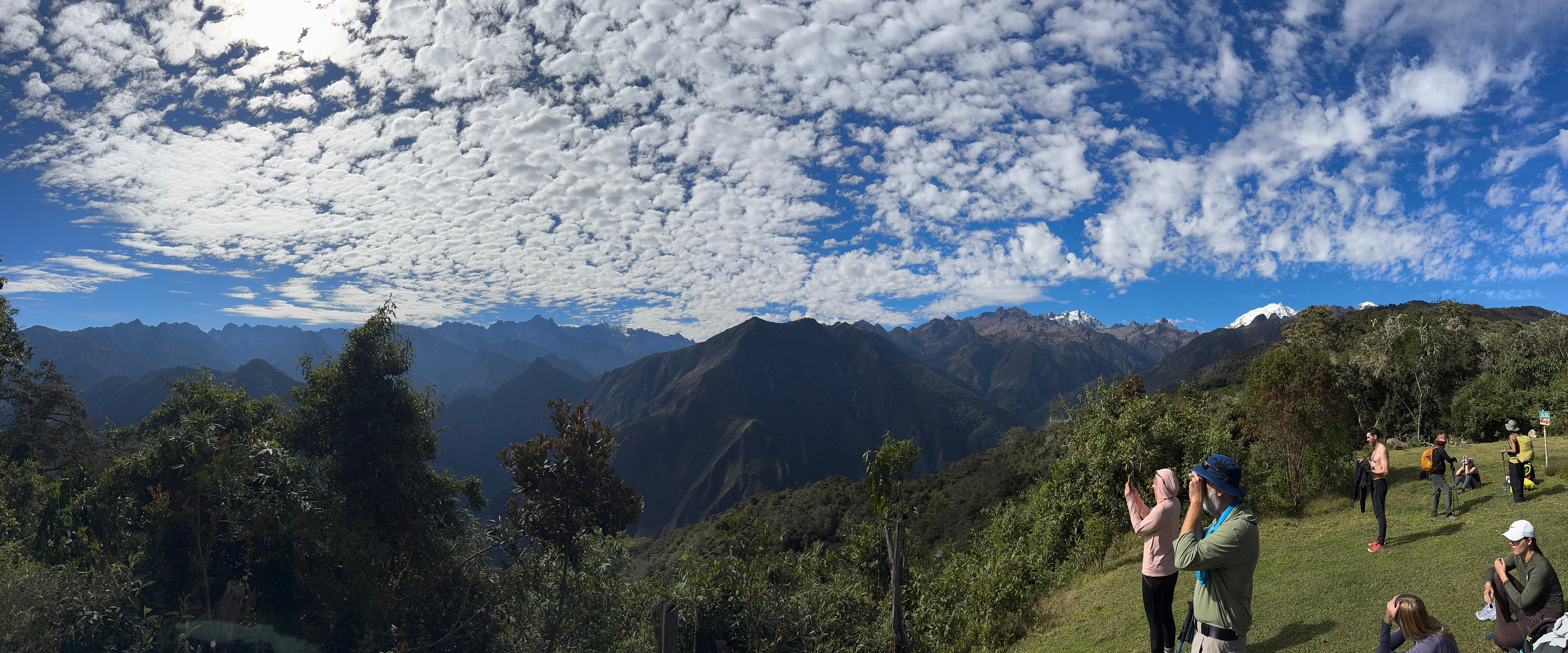
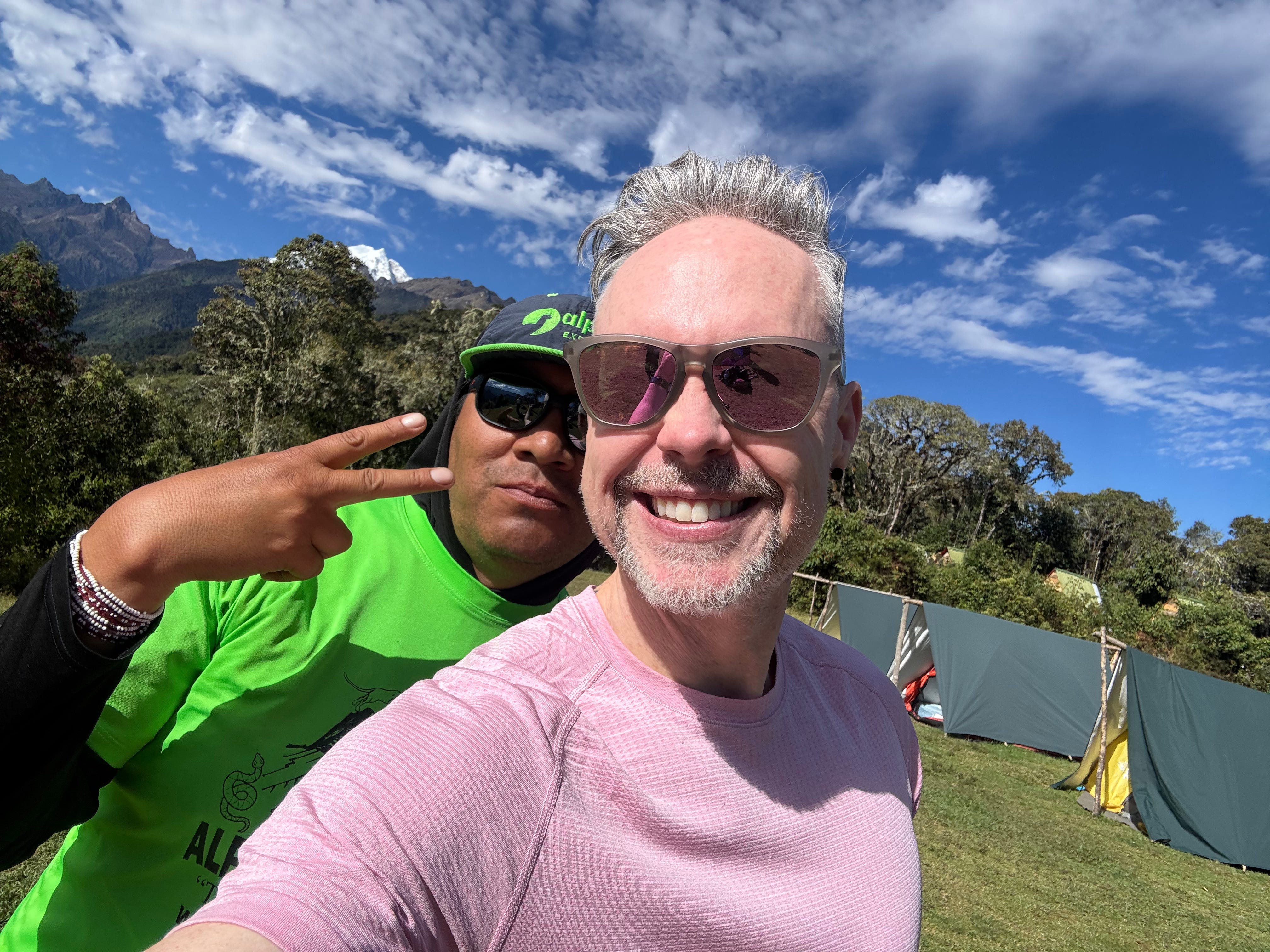
On a tough descent through forest and rock, I took a hard fall — and realized his phone was gone. “In my mind, when that happened, I was like — that’s okay. That’s okay if I don’t have it. That was meant to be.” Cesar quietly took his time to come up to me with my phone in his hand. He got me. Big laughs.
Along the trails, horses constantly moved through — the local “cars” for hauling materials through the mountains. We would call out “caballitos” and everyone stepped aside to let them pass.
Key Insight:
“That’s okay, that’s okay if I don’t have it. That was meant to be. And it’s all in here.”
[36:57] Day Five — Arrival to Machu Picchu
Up at 4 AM. We climbed. Headlamp on, switchbacks in the dark, pausing to watch the clouds and mountain silhouettes take shape as the sun started to rise. “That was so, so beautiful.”
Inside Machu Picchu: weed whackers everywhere, crowds, photo stations. If I’m completely honest — it felt a little like Disneyland at first. The expectation of the place was almost too loud.
One of my favorite photos now: sitting cross-legged at Machu Picchu, looking out at the incredible landscape. Meditation has been part of my practice for over ten years. “I wanted that moment to last the whole day. I could just sit there and just feel the energy of the mountain and that space.”
I did an add-on climb up Huayna Picchu — the steep mountain directly across from Machu Picchu. Tiny stone steps, metal guardrails, the scariest single climb of the whole trip. And the view from the top was its own reward.


Key Insight:
“How many thousands of years that different civilizations and people took to carve out this beautiful space — all these intentional things around astrology, where certain rocks are placed, how they would align with the stars.”
[45:09] Coming Home — The Contrast Is Real
Back in the U.S., the post-trip integration has been hard. Health challenges. Difficulty returning to routine. The bigness of the experience hasn’t fully settled. “I had this very big, expansive experience and now I’m in this kind of contracting phase.”
The sobriety lens on all of it: 5.5 years sober, I got to feel every moment — the fear on the bus, the joy of the parade, the exhaustion and the beauty and the fall and the ceremony. All of it unfiltered. “I get to have these experiences and get to feel the things that typically I would numb from.”
A moment on day four said it all: some people in another group had stayed up until 3 AM drinking. “I couldn’t imagine having done this trip if I was still drinking.”
Key Insight:
“It’s all about the feelings — really just embracing all of it. That’s what I really appreciate. Now five and a half years sober, I get to have these experiences.”
Key Quotes
“I wanted that moment to last the whole day. I could just sit there and just feel the energy of the mountain and that space.” — Josh Woll
“That’s okay, that’s okay if I don’t have it. That was meant to be. And it’s all in here.” — Josh Woll
“My belief is that God is everything — like it’s this phone I’m looking at, it’s all of you. You feel that, especially in these environments where you’re so small.” — Josh Woll
“I get to have these experiences and get to feel the things that typically I would numb from.” — Josh Woll
“I couldn’t imagine having done this trip if I was still drinking.” — Josh Woll
Resources Mentioned
Capsule Adventures (Ryan Lee) — Sober-based adventure travel
Alpaca Expeditions — Trekking company; guides the Salkantay route
Salkantay Trail — The route taken to reach Machu Picchu over five days
Thank You
A heartfelt thank you to Silvi Demirasi, Nick Neve, Morgan Gibbs, Steve [Sage-Outlaw-Caregiver], Sarah Gaughan, and many others for tuning into my story! Your presence and engagement make these conversations possible.
If A Different Climb Is Calling You
Every step of this trek was taken clear-headed. Every fear felt, every ceremony honored, every fall survived — all of it fully experienced because alcohol wasn’t in the way.
That’s what sobriety makes possible. Not just the absence of drinking, but the presence of everything else.
If you’re curious what’s on the other side of that, The Sober Creative Method is a 90-day journey designed to remove alcohol as the barrier to your greatest work. It’s where the trek begins.
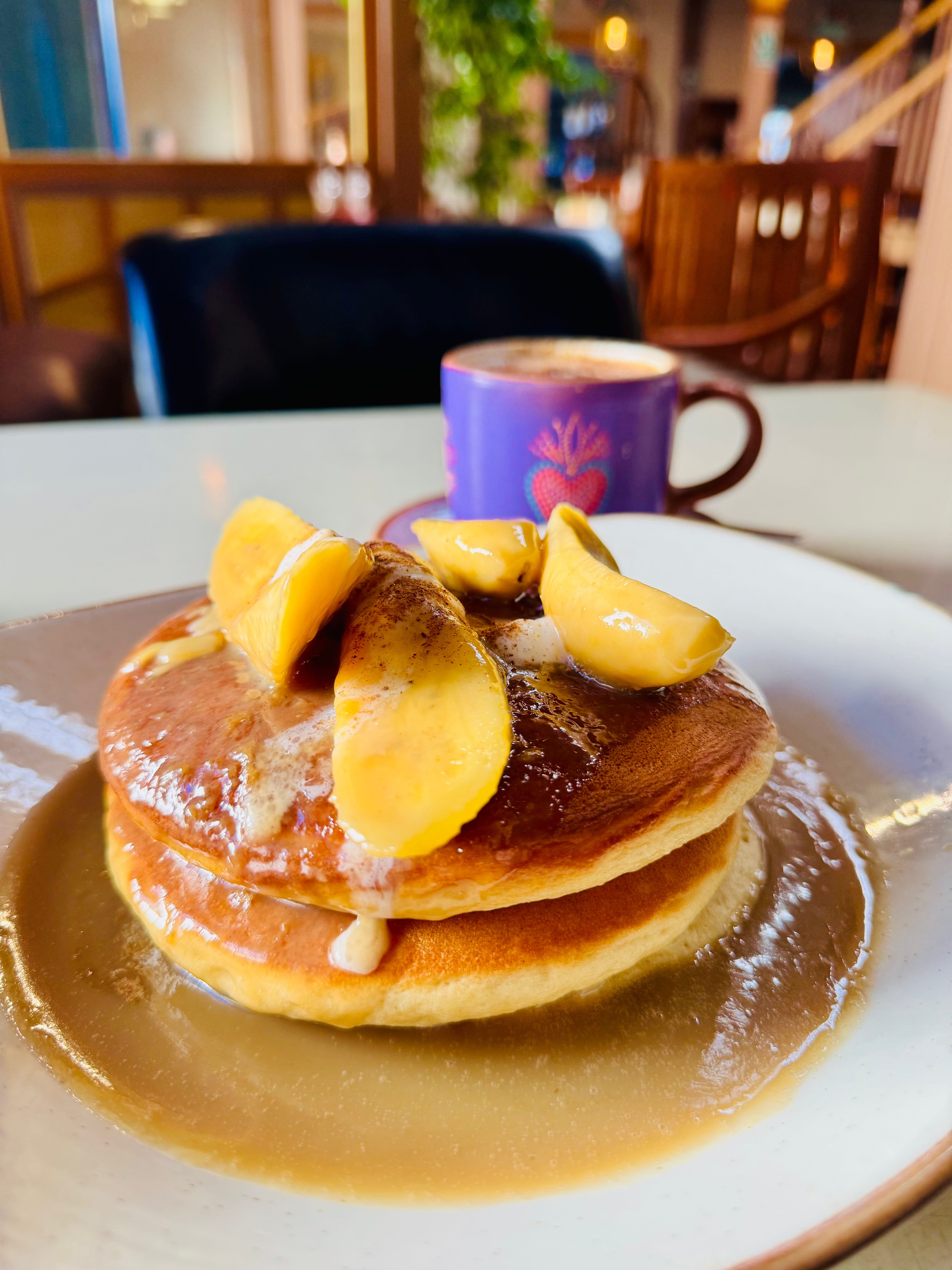
p.s. thought I would leave you with this photo of these insane pancakes I had. I’m still drooling about them.