



Jake Summers started drinking in high school in an alcoholic home where he “could basically do whatever I wanted.” He went to West Point hoping structure would save him from his addiction. It didn’t. He got kicked out at 21, went to rehab, and spent years drinking a fifth a day while working in finance—sneaking to the liquor store at 9 AM and drinking flask bottles in the bathroom at work.
After years sober, he quit his job and started a mango farm in Cambodia. Then he relapsed. His mom had to come rescue him. He came home and started over, this time building his entire life around his recovery instead of keeping it siloed from everything else.
Now he wakes at 4:30 AM to write in his basement, working on his memoir The Mango Tango and publishing Perfection is the Enemy of Progress, a newsletter for people living the non-traditional path.
This conversation explores the guilt-fear-shame cycle, what it means to relapse after years sober, and how to leave enough white space in the calendar for life to come to you.
Show Notes
[03:33] Growing Up in an Alcoholic Home
Jake grew up in a home where he could basically do whatever he wanted. He started drinking young, hosting parties at his house on Thursday nights, taking his mom’s car before he had a license. He loved everything about how drinking took away anxiety and made him feel free. But even as a teenager, he could tell he was drinking too much.
Decided to go to West Point thinking structure might help him avoid addiction
Did well initially until he got a DUI visiting his brother at Penn State
Met all the “bad kids” at West Point—when addicts find their people, they’re back off to the races
Spent three years there before getting kicked out
“I grew up in an alcoholic home. What that meant for me was not that I was surrounded by trauma at all times, but I could basically do whatever I wanted. I started drinking at a young age.”
[05:47] Losing His Identity and Drinking Even Harder
When Jake got home from West Point, he lost his identity. He thought he’d ruined his life. He started drinking even more heavily. He went to rehab at 21 but was quick to say he was “cured” and didn’t have a problem.
“When I got home, I was really like I lost this identity. I thought I ruined my life. And I started to drink even more heavily.”
[07:00] The Obsession: Every Day About Getting Alcohol
In sobriety, Jake learned that addicts have this obsession where even when they’re not drinking, they’re thinking about it—how to get the next one. Every day in high school was about planning how to ensure he’d get alcohol that weekend.
Started as weekend hard drinking and a couple weeknights
But the mental space the addiction took up was as significant as the actual drinking
This obsession continued through his twenties
“In sobriety I’ve learned that I have, you know, we have this obsession where even when we’re not drinking we’re often thinking about it and how are we going to get the next one.”
[08:08] A Fifth a Day: Drinking Before Work
After rehab, things got really bad. Jake started drinking every day, waking up and drinking. He became what he thought was a stereotypical alcoholic—a daily drinker whose whole life and cycle was built around drinking.
In his early 20s, drinking a fifth a day around the clock
Taking his “medicine” in a couple different stretches throughout the day
Meticulously planned and managed
Working in finance, going to the liquor store at 9 AM when it opened
Drinking flask bottles in the bathroom and going back to work
“I worked in finance and I would go out for a morning coffee and I would go to the liquor store at nine, right when it opened in Philadelphia. And I would drink like one of those flask bottles in the bathroom and then go back to work.”
[11:01] The Hardest Part to Describe: Knowing It’s Wrong While Doing It
Jake had already been to rehab. He’d already self-identified as an alcoholic. The hardest part of addiction to describe is how you can continue to behave this way while there’s a very quiet voice in the back of your head saying “this is dumb, this is going to head towards disaster, you’re not supposed to be doing this.”
That quiet voice is drowned out by an extreme, very intense voice saying “I need this right now, I need my relief”
Like having “a head full of recovery and a belly full of booze”
Living in this middle state of knowing you have a problem but doing it anyway
Really isolating and not fun at all—lying to yourself, lying to everybody around you
“The hardest part of addiction to describe to anybody from the outside is how you can continue to behave in this way while there’s a very quiet voice in the back of your head that is like, this is dumb. This is going to head towards disaster. But it’s just drowned out by this extreme, very intense voice of like, I need this right now. I need my relief.”
[13:17] The Guilt-Fear-Shame Cycle
Everything for Jake was rooted in fear. He was scared of facing the world, scared of his behaviors. Stuck in this shame bubble, drinking to silence guilt and shame that was all rooted in fear.
Most addicts wake up every morning and the first thought is “I don’t want to drink today”
That might be a 10-second thought immediately followed by drinking
Every day knowing you need to do something different but ashamed of being stuck in this rut
Feeling guilty over how you fell to your addiction the day before
Scared it’s never going to resolve itself—stuck on that hamster wheel
“Everything for me was rooted in fear. I was scared of facing the world. I was scared of my behaviors. You’re kind of stuck in this shame bubble and it’s like you’re really like drinking to silence that guilt and shame that is all rooted in fear.”
[16:11] The Moment of Clarity: Sick and Tired of Being Sick and Tired
Jake had a rare moment of clarity where he looked around at his life and realized: I am lonely. I am miserable. I’m just sick and tired of being sick and tired and living on this hamster wheel of doom.
Called somebody and said “I need help”
Couldn’t seem to control it—every day telling himself he wasn’t going to drink but ending up drinking
Asked for help and started getting involved in 12-step programs
Did the steps and started to believe in a life in recovery
“I just had one of those rare moments of clarity where I looked around at my life and it was like, I am lonely. I am miserable. I am, I’m just like sick and tired of being sick and tired and living on this like hamster wheel of doom.”
[17:36] Four Years Sober and Heading to Cambodia
After four years sober, Jake was working his career but started realizing something. When he got sober, he associated his adventurous risk-seeking personality with his addiction. He thought that was the dude that gets you in trouble—you have to be the opposite of him. Wear a suit, go to work, live a stable life.
Sobriety gives you confidence in yourself
Eventually felt confident enough to do something adventurous without the wheels falling off
Could be more of his authentic self without living in a protective bubble of routine
Talked with people in his sober community who said sobriety isn’t about giving up on life and surrendering to structure
“Sobriety gives you like a lot of confidence in yourself. And I eventually just reached the point where I felt confident enough in my sobriety where I was like, I can do something adventurous and like the wheels aren’t going to fall off.”
[19:14] Relapse in Cambodia: Fermented Banana Moonshine
Jake started the mango farm and lived in the jungle. It was all going really well. Then he relapsed in this lost-in-translation moment on the farm where guys drilling a well were doing a ritual toast thing. They passed around a gasoline jug of fermented banana moonshine and said he had to drink it.
Trying to explain alcoholism in a foreign language
Had drifted away from his recovery—wasn’t talking to sober people, wasn’t helping anybody
Thought he was cured, convinced himself “I could just have one and I’ll be fine”
Like a real alcoholic, that was not the case—had one and was immediately off to the races again
Nasty relapse in Cambodia, his mom had to come rescue him
Got really bad really quick
“By that point, I had really like drifted away from my recovery. Like I hadn’t done anything to maintain my recovery. Like I wasn’t talking to sober people. I wasn’t helping anybody. I like thought I was cured and convinced myself like, oh, I could just have one and I’ll be fine. Like a real alcoholic, like that was not the case for me.”
[20:14] Starting Over and Building Life Around Recovery
Jake came back and started over from the beginning, really digging in with the program. He focused on putting sobriety first and not drifting from it. Went on to work in the addiction field to stay closer to sobriety, really building his life around his recovery.
In his first stint in recovery, it was very siloed—had his career, aspirations, adventurous side, and then separately had his recovery
Let enough distance get between those two lives that he put himself in a risky position again
Second time around, built everything around recovery instead of keeping it separate
“In my first stint in recovery, it was very siloed. I had this career and these aspirations and this adventurous side. And then I had my recovery. And I let enough distance get between those two lives that I put myself in a risky position again.”
[21:36] Alcoholism is Progressive: It Picks Up Where You Left Off
The second relapse was a lot more intense. Alcoholism is a progressive illness, and it picks up exactly where you left off. If you have years sober, the clock doesn’t magically wind itself back and you’re not starting at the beginning.
Even more intense shame and guilt when you have years sober and leave that behind
Drinking while knowing he’d blown up this very good stretch of his life and the recovery he’d built
Made the shame over what he was doing feel even more intense
“Alcoholism is a progressive illness, and it picks up exactly where you left off. Like, if you have years sober, the clock doesn’t magically wind itself back, and you’re back starting at the beginning.”
[33:46] The Creative Life: 4:30 AM and Playing with House Money
Jake wakes at 4:30 AM for a two-hour uninterrupted creative block before his wife and daughter wake up. From 4:30 to 6:30, it’s just him in the basement with music. He lights a candle, makes coffee, writes, and tries to avoid distractions and the noise of life.
Sometimes working on Substack posts, sometimes editing or adding to the book, sometimes writing query letters for agents
Has this sacred block in the morning that he protects
If he sticks the landing in that time, the rest of his day is playing with house money
“I wake up at 4:30 and from 4:30 to 6:30, it’s just like me in the basement with the music and I light a candle and I make my coffee and I just write and I try to avoid distractions and the noise of life.”
[35:54] Straitjacket or Smoking Jacket: Leaving White Space
A sponsor once told Jake: You’ll either feel like you’re in a straitjacket or you’re in a smoking jacket in life. You really want to go for the latter. Don’t put yourself in a position where you’re constantly living in stress and constantly setting yourself up to fail.
Thinks in terms of weekly goals, not daily to-do lists
When he tried to structure things too much, he wouldn’t get things done and his inner critic became harsh
Wakes up and prays: “I don’t know what the day is going to bring, but I’m going to let it come to me”
Leaves enough white space in the calendar for opportunities to come to him
By the end of the week, accomplished everything he needed to do plus more stuff he didn’t plan for that was really good
“I wake up and I pray and I’m like, I don’t know what the day is going to bring, but I’m going to let it come to me. So I definitely try to live my life in a day where I leave enough white space in the calendar for the opportunities in the day to come to me.”
Key Quotes
“When I got home, I was really like I lost this identity. I thought I ruined my life. And I started to drink even more heavily.” - Jake Summers
“The hardest part of addiction to describe to anybody from the outside is how you can continue to behave this way while there’s a very quiet voice in the back of your head that is like, this is dumb. This is going to head towards disaster. But it’s just drowned out by this extreme, very intense voice of like, I need this right now. I need my relief.” - Jake Summers
“I just had one of those rare moments of clarity where I looked around at my life and it was like, I am lonely. I am miserable. I’m just like sick and tired of being sick and tired and living on this like hamster wheel of doom.” - Jake Summers
“Sobriety gives you like a lot of confidence in yourself. And I eventually just reached the point where I felt confident enough in my sobriety where I was like, I can do something adventurous and like the wheels aren’t going to fall off.” - Jake Summers
“I had a sponsor, you know, one time tell me like, you will either feel like you’re in a straitjacket or you’re in a smoking jacket in life. And you really want to go for the latter.” - Jake Summers
Resources Mentioned
Perfection is the Enemy of Progress - Jake’s Substack newsletter (@jakesummers3)
The Mango Tango - Jake’s memoir (currently with literary agents)
Pep Talks - Jake’s planned podcast series (coming sometime in 2026)
12-Step Programs - Jake’s path to recovery
The Guilt-Fear-Shame Cycle - Treatment concept Jake learned working in the addiction field
Where to Find Jake Summers
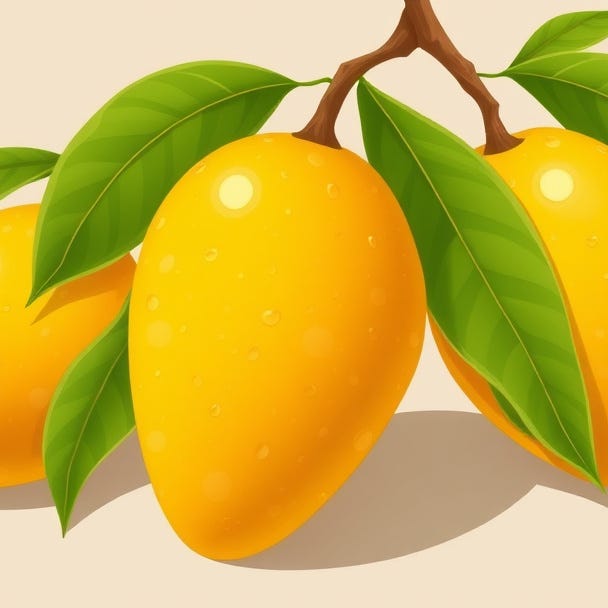
Jake writes for people standing at the fork wondering what’s on the other side of the leap, people who’ve already jumped and are figuring out who they are now, and people in recovery from addiction, failure, or the story they told themselves about who they were supposed to be.
The Distance Between Recovery and Everything Else
Jake’s story reveals something crucial about sobriety: keeping it siloed from the rest of your life creates risk. In his first stint of recovery, he had his career, his aspirations, his adventurous side—and then separately, he had his recovery. He let enough distance get between those two lives that he put himself in a risky position again.
The second time around, he built his entire life around his recovery instead of keeping it separate. He went to work in the addiction field to stay closer to sobriety. He talked to sober people. He helped others. He didn’t convince himself he was cured.
This isn’t about making recovery your only identity—it’s about not creating distance between who you are in recovery and who you are everywhere else. The silos create gaps. And in those gaps, practices that sustain recovery—connection, honesty, service, accountability—begin to fade. When you stop talking to sober people, when you stop helping others, when you drift from the daily habits that keep you grounded, relapse finds room to grow.
The work isn’t just staying sober. It’s building the practices that make sobriety sustainable—integrated into your creative life, your relationships, your work, your identity.
Ready to Stop Living on the Hamster Wheel?
If Jake’s story resonates—if you’re sick and tired of being sick and tired, if you’re realizing the quiet voice saying “this is dumb” is getting drowned out by the loud voice saying “I need this right now”—you’re not alone.
The Sober Creative Method™ is a 90-day journey designed to remove alcohol as the barrier to your greatest work. It’s not about structure for structure’s sake. It’s about building practices that sustain recovery while honoring your creative side—so sobriety isn’t siloed from everything else you’re trying to create.
This isn’t traditional recovery. It’s for those who want connection, accountability, and daily habits that keep you grounded while you build something meaningful.
Thank You
A heartfelt thank you to Bob Lewis, Stan Holt, Noelle Richards, Eric J Cunningham, and to Jake Summers for his extraordinary honesty and wisdom. Your presence and engagement make these conversations possible.
What’s Next
The Sober Creative is more than a newsletter—it’s a movement of individuals reclaiming their creativity by choosing clarity over coping.
The First 31-Day Alcohol-Free Reset has officially started!
If you missed this opportunity to join, there are going to be more coming this year.
Click the link below and enter your email in to be put on the waiting list.
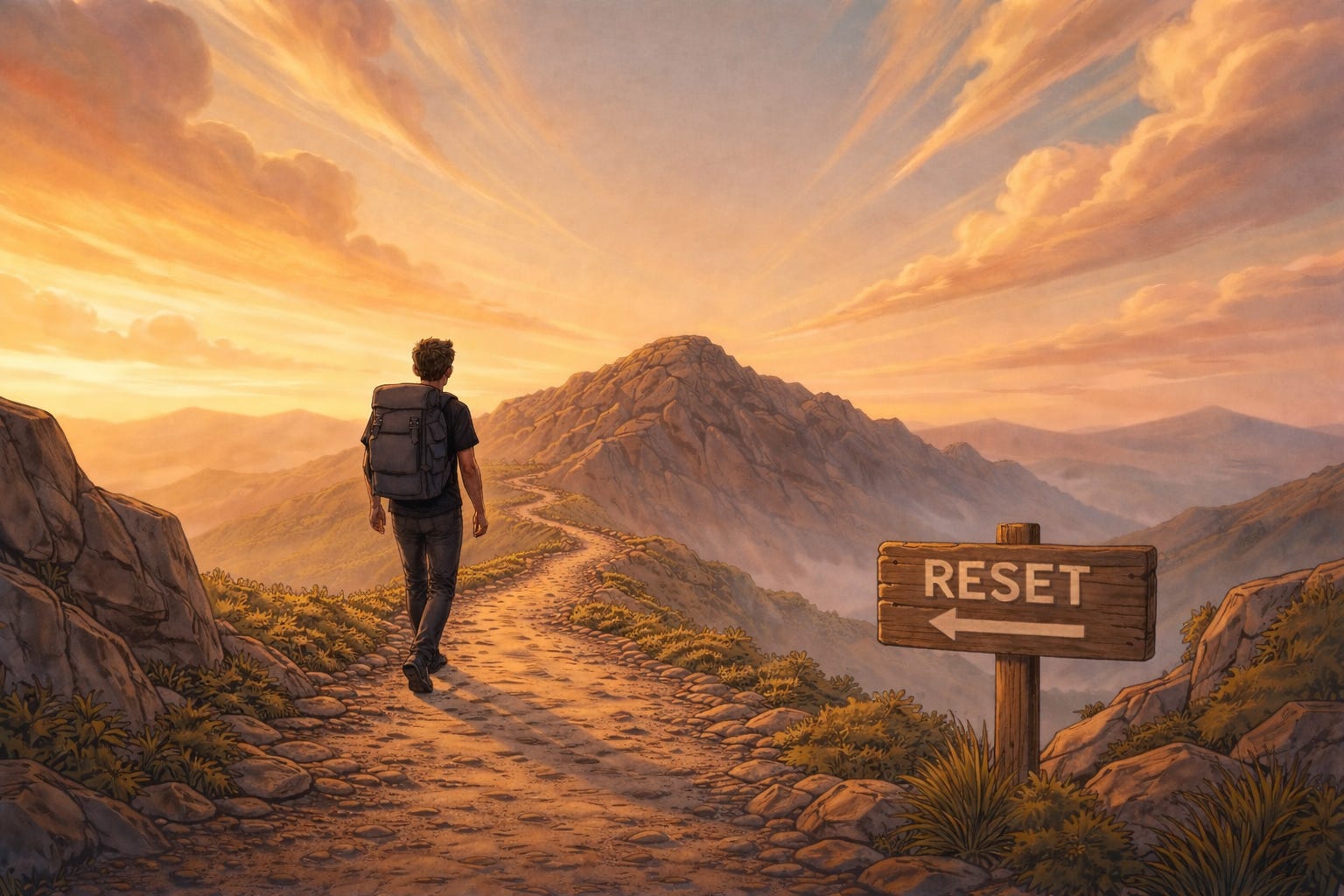
🎯 Take the Drinking Assessment: This assessment reveals certain areas where alcohol may be the exact thing that is quietly sabotaging your creative potential. It’s free and only takes a few minutes.
✍️ Read the Essays: Stories and strategies for building a clear, creative, and intentional life.
🎙️ Join Clear Conversations: Honest talks with creative professionals navigating the intersection of sobriety, self-discovery, and breakthrough work.
💬 Curious about your next step? If you’re sensing that something’s holding you back, but you’re not sure what—reach out. Coaching, community, or clarity—it all starts with a conversation.
✨ The Sober Creative Method™ is a 90-day journey to remove alcohol as the barrier to your greatest work.
Each step forward is an act of becoming.
Thanks for walking this path with me.
Josh
☕️ Support the Sober Creative: If a subscription feels like too much at the moment but you’d still like to support the work here, you’re welcome to contribute in any amount. Consider it a coffee in support of clarity, creativity, and what’s being built at The Sober Creative.
P.S. Missed previous episodes? Browse the Clear Conversations archive to explore more conversations with creative minds in sobriety.


