


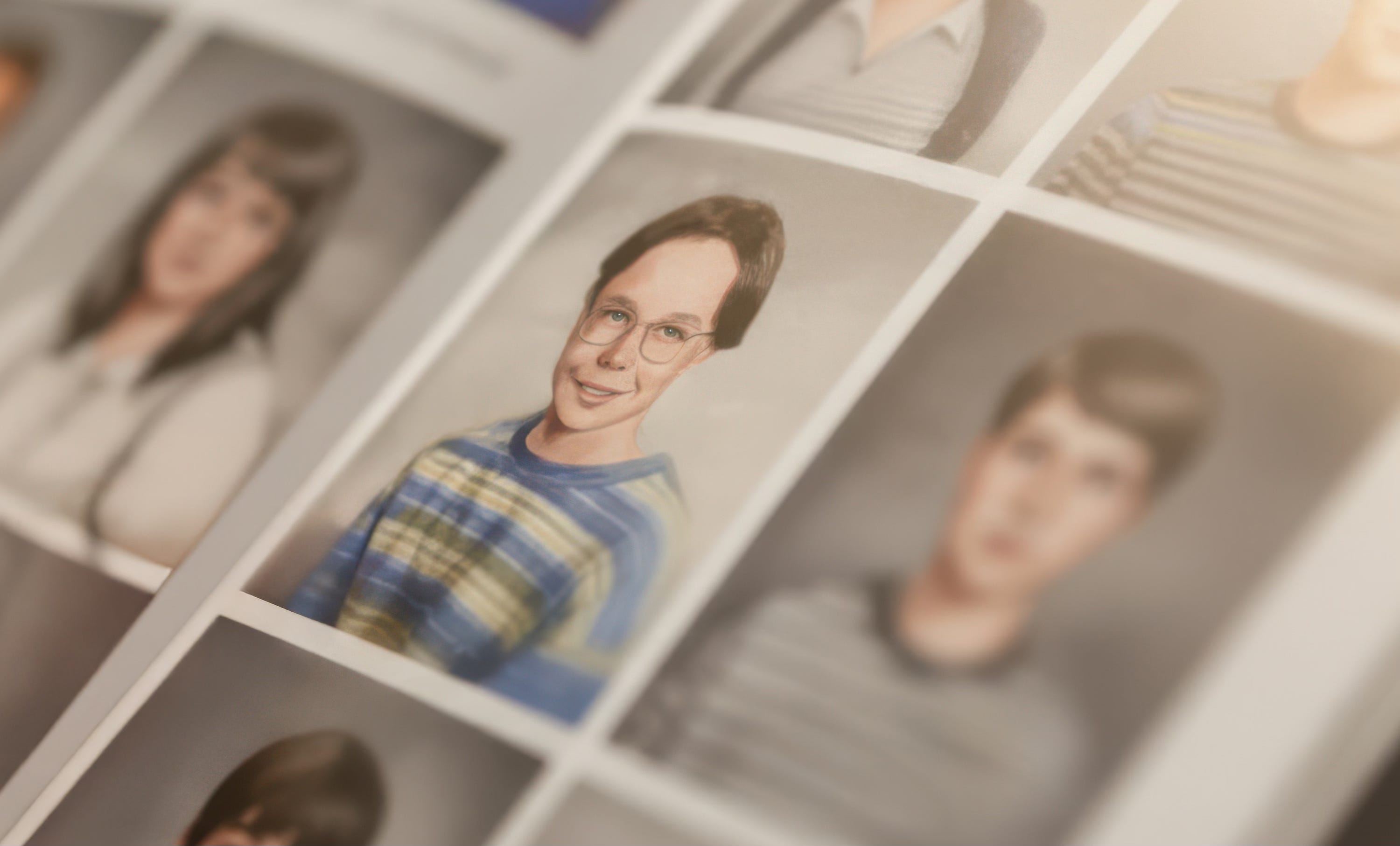
10 Pain Points of Sobriety is a weekly series where I explore the real pain points of quitting alcohol—the uncomfortable truths that surface when initial motivation fades. I didn’t need alcohol to be creative; creativity was already part of my life. Alcohol stole the time and energy I could have spent creating. It was my escape from feelings of inadequacy, from not being good enough, from trying to fit in. Five years into sobriety, I’ve learned that removing alcohol isn’t the end—it’s the beginning of becoming who you’re meant to be. Each week covers one pain point: the struggle, the truth no one mentions, and what actually helps.
The Pain
Trembling. There’s a crack in my voice. As the words started to come out, I could feel them shaking. Staring out the window, at the ceiling, anywhere, but the faces looking in my direction.
“Thank you, you can all sit down now.”
I couldn’t wait to reach that empty chair. More than that, I couldn’t wait for the day to be done so I could crack open a beer and escape into what was comfortable.
Presentations throughout college were hell. I didn’t know how to trust myself - in my capabilities to do the things that were hard. So I avoided them. If asked to speak, I would find an excuse to respond with no as quickly as possible. I chose a career that focused on everything but myself. Even in small groups, I would be relieved my last name started with a W because I would be the last to be called on. But that was probably worse. It gave me time for the negative thoughts to build: “I don’t know what to say. What I have to say is not that important.”
This is what damaged self-worth looks like—or more accurately, lost self-worth. Not broken beyond repair, but buried under decades of avoidance. Not in the moment it fractures, but in the years that follow. In every opportunity you turn down. In every time you choose safety over growth. In the substance you need at the end of the day just to quiet the voice saying you’re not enough.
You learn to survive by making yourself small. By avoiding anything that might expose what you already believe about yourself.
I want to point out that with each of these pain points, the answers come from self-exploration. You have your own unique makeup, history, experiences, and habits that contribute to the desire to drink. What may work for you may not work for someone else. Adopting a state of curiosity, being willing to experiment, to practice, and ultimately commit to the process, will lead you more closely to the changes you wish to seek.
The Story
Pussy…..Faggot…..Fuck you.
The hairs on the back of my neck were standing straight up. Blood was rushing through every cell of my body. Temperature rising. Sweat was building around the grips of the handlebars. I wanted to be anywhere but there. I started to pedal. I could hear the echo of my friend’s voice in the distance: “Josh, run!” I looked back. The same guy who’d been calling me these names was bolting toward me. I turned the corner and tried to push faster. It wasn’t enough. He ripped me off the bike. Ready to fight. Over what? Over me not giving him what he wanted. Over me not calling him names back. I didn’t do anything. I didn’t stand up for myself. I didn’t know how. I backed down.
My reaction was based on fear. That moment faded, but the imprint remained. This fracture wasn’t about the words or actions themselves, but in my response to them. Avoidance became a strategy for survival. A one-way ticket to escape.
This incident reinforced this - staying small would keep me safe. Every presentation I’d avoid. The career I’d choose that kept me behind the camera. Every beer I’d need at the end of the day to quiet the voice.
It all traced back to this.
The Shift
There’s an unread message in my inbox. It’s from one of my coaches, “Do you want to be a group leader?”
The same physical sensations ran through my body. Blood rushing, tightness in my chest, shallow breathing, all of it was deeply uncomfortable. But something different happened. I said yes.
I was scared at first. Committing to it felt like stepping into everything I had been avoiding for years. But it also felt right. Like this was the step I needed to take, even if I didn’t fully understand why.
When the group actually started, it wasn’t as bad as I’d made it out in my mind. The container was supportive. People appreciated my leadership. They responded to it. And that showed me something crucial: The disaster I’d imagined wasn’t real.
That realization opened the door to more steps toward fear. Because if I was wrong about this, maybe I was wrong about other things too.
This is where the shift really started to unfold for me. Avoidance became opportunity. The things that scared me weren’t threats anymore - they were chances to prove something to myself. I started picking up the fractured pieces and placing them back where they belonged.
I learned that trust is rebuilt through action. Not through understanding or insight or awareness. Through doing the hard things. Through consistently showing up through the challenges the dialogue changed. From “I can’t” to “I can.” From “I’m not enough” to “I’m capable.”
I was now on a pathway to find myself. And this led to something bigger. The trust to commit to one year of sobriety. That commitment became security in myself. A knowing that I could trust myself to do this.
And from that knowing, everything else followed. Bigger projects. More responsibility. Leading crew members on set.
Each yes was building on the last. Each action I was starting to believe in myself.
The Science
Alcohol doesn’t just numb the discomfort of avoidance - it prevents you from building the capacity to face it.
The prefrontal cortex is what allows you to face fear instead of fleeing from it. It’s part of the control system that can override the panic signal and say: “This is scary, but I can handle it.”
Research from the International Review of Neurobiology demonstrates that:
“The PFC normally exerts ‘top-down’ inhibitory control over internal and external sensory-driven compulsive behaviors.”
Alcohol weakens your brain’s ability to choose courage over avoidance. It damages the very system that would allow you to build self-trust through action.
If you’re using alcohol to escape, you never build the neural pathways that come from facing discomfort and realizing you’re capable. The prefrontal cortex can’t strengthen its override capacity because it’s being chemically impaired.
Trust isn’t rebuilt through understanding or insight. It’s rebuilt through evidence. Your brain needs proof that you can handle hard things. That proof comes from actually handling them - facing the fear, doing the thing, and discovering you survived.
In sobriety, something different becomes possible. Without the escape route, you have to face what scares you. And when you do - your brain starts collecting different data.
Not I avoided this and felt relief. But I faced this and I got through it. I’m capable.
That’s how trust gets rebuilt. Through action. Through evidence. Through your brain learning a new pattern that alcohol had been preventing you from creating.
The Practice
The practice of rebuilding self-worth in sobriety starts with something counterintuitive: staying with what scares you.
Because your mind and body are designed to keep you safe, most of your life has been about avoiding discomfort. Alcohol, the elixir of distrust, has been supporting you in the wrong way.
With sobriety, you have the opportunity to prove something different to yourself - that you can be with fear without needing an escape route.
The Fear Inventory is a daily practice. Set aside 5 minutes. Identify one thing that scares you - a conversation you’re avoiding, a project that feels too big, a decision you keep postponing, the voice that says you’re not enough.
Don’t push it away. Don’t rationalize it. Don’t try to fix it.
Stay with it. Observe it.
Where do you feel it in your body? What thoughts accompany it? What’s underneath the fear?
The practice is not about making the fear go away. It’s to prove to yourself that you can be with discomfort without fleeing. That’s how trust gets rebuilt - not through big dramatic changes, but through these small moments of choosing to stay instead of turning away.
As you build this capacity, you start making different choices. The presentations you used to avoid. The leadership opportunities you would have turned down. The hard conversations you would have postponed. Each time you choose discomfort over safety, your brain is building proof.
This is the practice. Through doing the thing you don’t think you can do, you prove to yourself: I can handle this. I’m capable.
This is how you build self-trust. One step toward fear at a time.
You Don’t Have to Do This Alone
What You’re Feeling:
Sobriety isn’t just about saying no—it’s learning how to live without the false edge.
The quiet moments feel heavier. The creative spark feels unpredictable. You’re trying to rebuild trust in yourself, one decision at a time.
The Pattern:
You stay clear for a few days → energy returns → a moment of doubt hits → “maybe just one” → fog creeps back in → regret → restart.
Each cycle drains your belief that change is possible.
The Hidden Truth:
You’re not broken—you’re rebuilding your creative system. The fog isn’t proof you’ve failed; it’s evidence your body and mind are recalibrating toward clarity.
What This Costs You:
The energy that could power your next breakthrough
The focus that builds real momentum
The self-trust that turns ideas into finished work
The Path Forward:
Each week, I’m unpacking the real pain points of sobriety—the ones no one prepares you for—so you can navigate them with awareness, not avoidance.
Next week: Damaged Self-Worth (and how to trust yourself again).
Right now, you can find additional support here:
Take the free assessment → Find out if alcohol is blocking your creative potential (5 minutes).
Book a free call → Let’s design a plan that fits your creative process and the life you want to build.
The 31-Day Alcohol-Free Reset Starting January 1 is coming → Claim early bird pricing $29 and your spot below.
Thank you for sharing this Josh - so helpful to have it all broken down here. And I very much relate to that experience of showing up and being brave, and how that has built my confidence and self-trust over time.
congrats on your sobriety. My mom was an alcoholic (and died from it, 10 years ago this coming Monday). Because of that, I don't drink myself, but I know the impacts of it - on loved ones (and also on the rest of my family).