Brilliant ideas. Burnout cycles. Work that never sees the light. Is alcohol quietly sabotaging your creative potential? Take the quiz and find out.
There was a tipping point in my days of being addicted to alcohol where I thought, “I'm tired of being tired.”
The weight of hangovers was too much. Hours and hours spent recovering. Time was lost I was never going to get back. I felt stuck in this revolving cycle of functional depression and my answer at the end of the day was going to be the one that wasn’t solving anything.
Why?
What do you do when you don’t have an answer? You move.
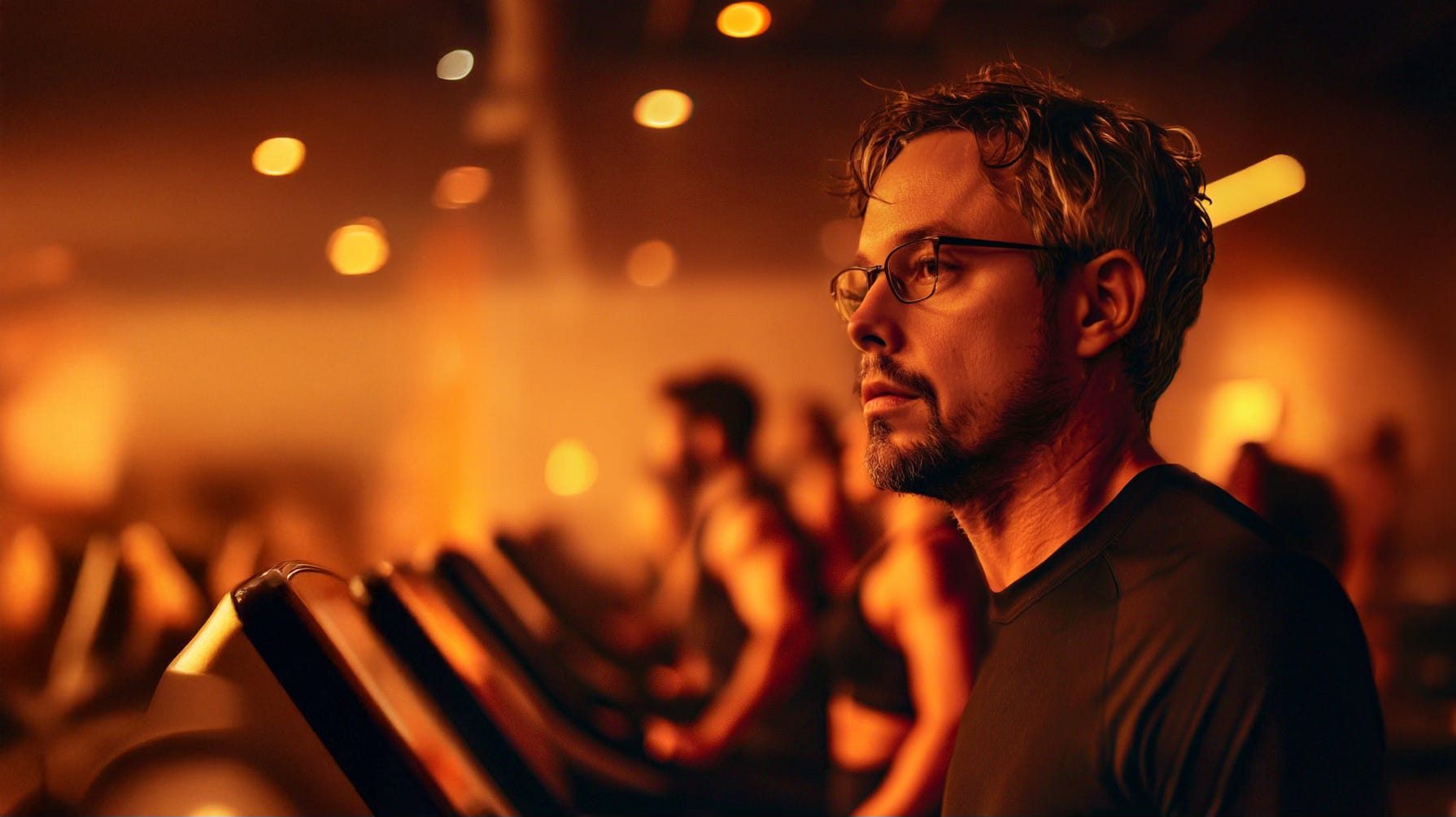
In the summer of 2017, I stepped into a dark room filled with orange neon lights, streams of rowing machines, treadmills, free weights and kettlebells. I had been going to Orange Theory Fitness regularly and one day my coach Mike noticed me struggling while trying to run my fastest on a treadmill segment.
While I’m leaned over catching my breath and everyone else is still sprinting, he comes up next to me. “What’s going on?” He asks. I tell him, “I drank a lot last night so I’m having a hard time.” He nods slowly and says, “You’re not going to progress if you keep drinking like that.”
That was the whisper.
On November 12, 2017 I would purchase a book that would completely alter my relationship with alcohol.
This Naked Mind, Control Alcohol written by Annie Grace.
Annie’s book planted the seed that would change my life.
“We’ve been conditioned to believe we enjoy drinking. We think it enhances our social life and relieves boredom and stress. We believe these things below our conscious awareness. This is why, even after we consciously acknowledge that alcohol takes more than it gives, we retain the desire to drink.”
I would compare this book to Mozart’s Requiem Mass in D minor, K. 626 - laying alcohol to rest. She beautifully orchestrates your mind through a series of science-based evidence, visual diagrams, personal stories, and humor. You can feel something shifting as you are reading it.
I wish I could say I finished the last page and stopped drinking immediately, however, that wasn’t the case. Awareness had been placed into the soil. My relationship with alcohol started to change. It was growing into something different.
I still didn’t know how to let go.
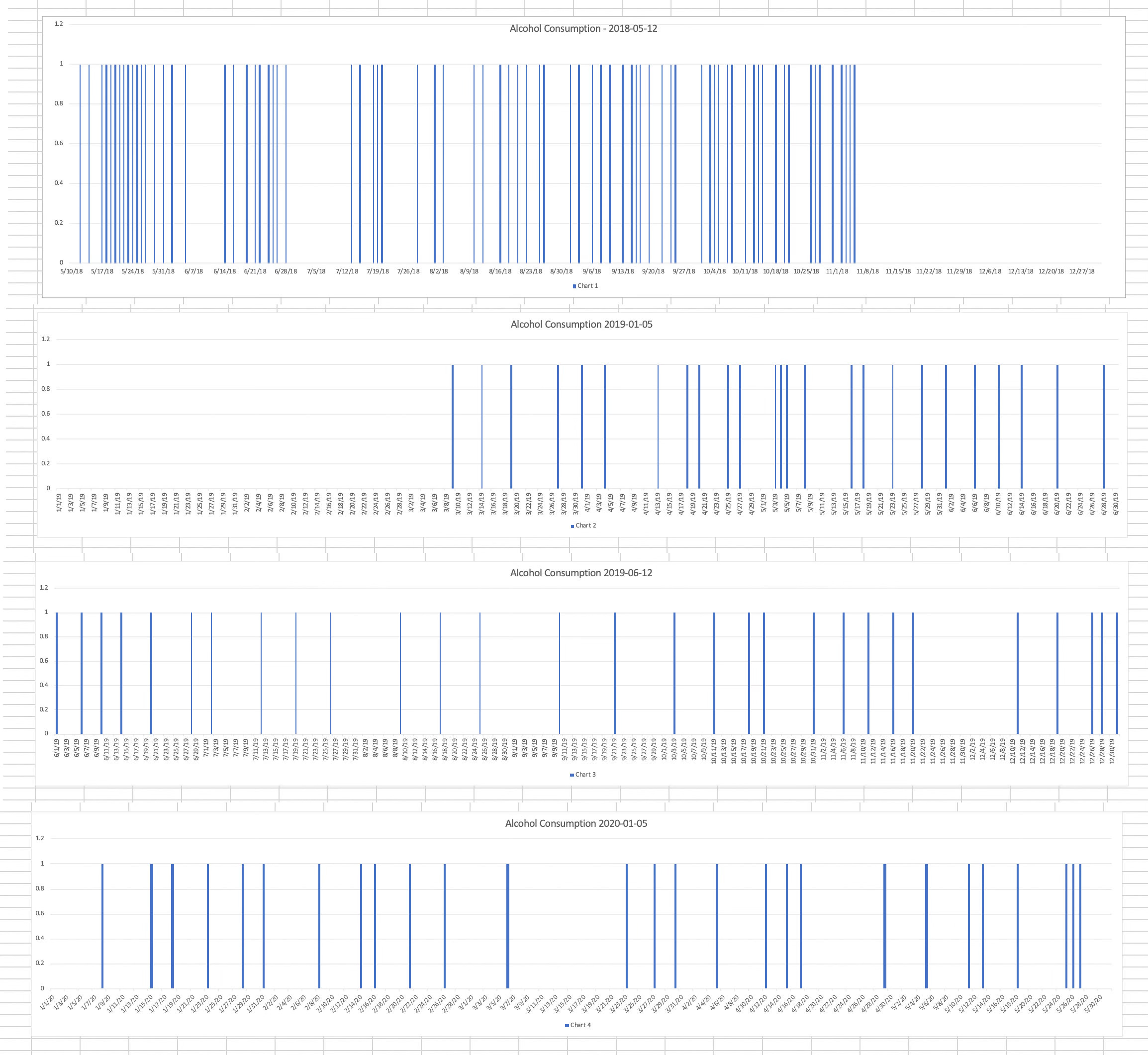
I tracked for over 2 years the amount I would consume.
I kept a list. I put this list into different apps to see if there were any patterns.
There were none.
I journaled. Trying to find specific emotions causing me to drink more.
“If I could control these emotions, then maybe I would drink less.”
That was never going to be the case, alcohol was always going to be the grip that wouldn't let go.
I needed to try something bigger.
I committed to 1 year of abstinence publicly on August 19, 2020.
The practice begins.
“I have to change the way I’ve been doing things.” There were so many questions. What will my evenings look like now? What will social events be like? What will happen to my drinking buddies? What if I can’t do this?
I had to practice learning new activities to do at night.
I had to practice stepping into dinners, parties, events, weddings as the designated driver.
I had to practice conversations of saying no when I was offered a drink. And even more importantly, feeling the emotions of guilt.
This meant being with my thoughts more without numbing them. Without turning away. This meant my depression would increase. Or at least I was afraid it would.
My new activities became working on myself.
Books. Podcasts. Guided meditations. Classes. Group work. Coaches. Retreats.
It has been a journey of self discovery.
The first few months of social gatherings were very challenging. There were so many moments I felt this underlying pressure to have a drink with someone. It was already hard enough being in a space where addiction was having the best of me, fighting the temptation to have a drink.
And here I am trying to make this decision for myself and realizing it's probably harder for the person who's your friend. This is deeper than the bottle. These are things we don’t want to feel. A collective sharing of shame and I’ve broken the contract.
I had to practice this acceptance.
This was a practice of letting go. Possibly permanently, or temporarily, it was a practice of honoring my decisions. What I felt was best for me and not someone else.
There were so many moments I wanted to give up. I thought, “this is too hard.”
The commitment would override these thoughts. And I continued.
You create the practice. It’s a starting point. It’s acting on the first step. Writing the first word. Pushing the record button. Letting your voice come out.
Every opportunity you practice, the momentum continues to build.
Day by day I was consistently showing up for myself.
I was slowly becoming the Sober Creative.
What's Next
The Sober Creative is more than a newsletter—it's a movement of professionals reclaiming their creativity by choosing clarity over compromise.
✍️ Read the Essays: Stories and strategies for building a clear, creative, and intentional life.
🎙️ Join Clear Conversations: Honest talks with creative professionals navigating the intersection of sobriety, self-discovery, and breakthrough work.
💡Discover Your Creative Pattern: Take the free 5-minute quiz to reveal how alcohol may be blocking, draining, or hiding your creative potential.
💬 Curious about your next step? If you're sensing that something's holding you back, but you're not sure what—reach out. Coaching, community, or clarity—it all starts with a conversation.