



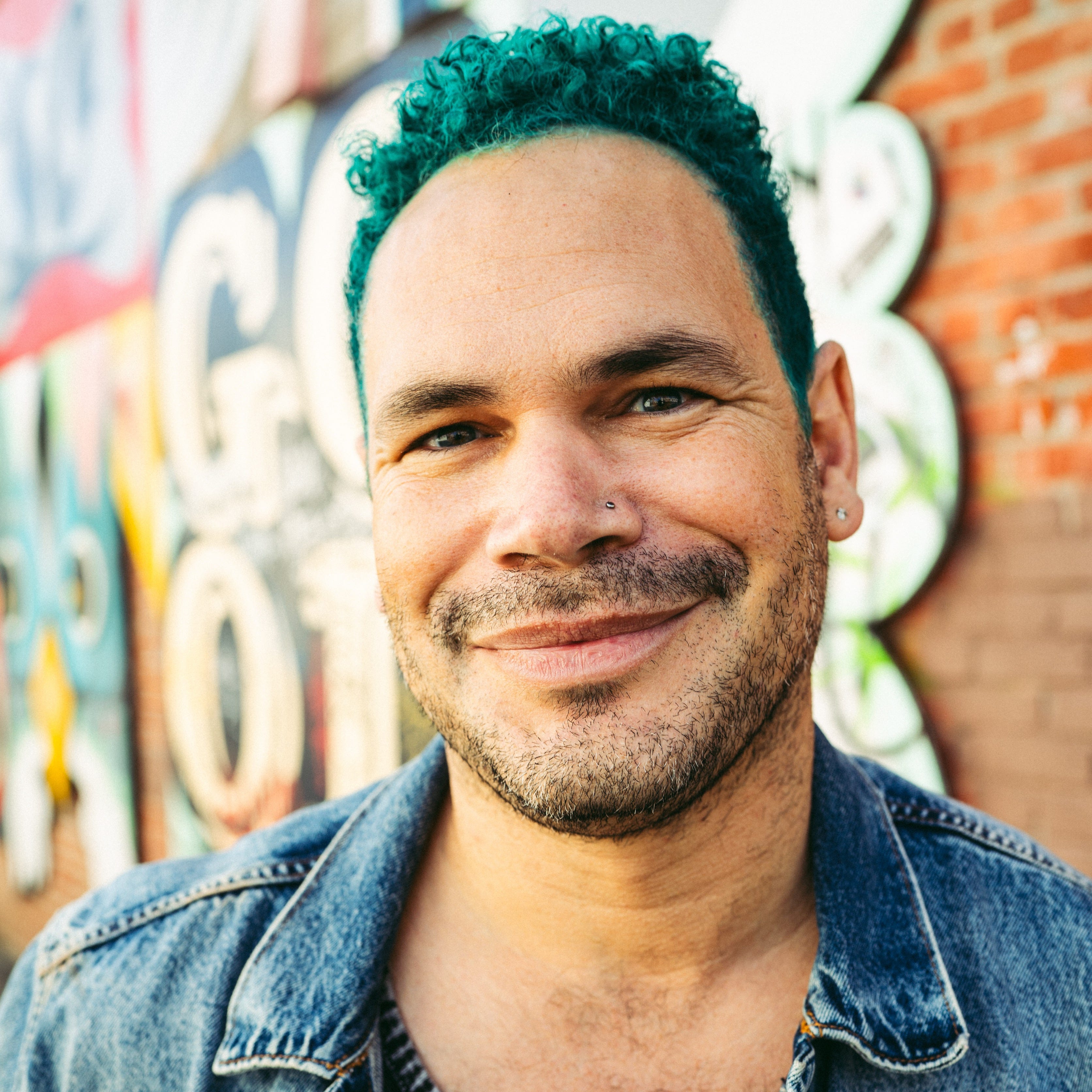
Asa Anderson grew up in an affluent neighborhood around Brentwood and the Palisades, where kids had more resources and easier access to substances. His parents divorced when he was three, and he learned early that drawing, and later music, was how he processed big feelings. He picked up the tenor saxophone in seventh grade and taught himself drums at 14. That same year, he and a friend finished 40s at the UCLA arcade before playing video games.
He studied jazz at USC and used cannabis and alcohol as a starting point for writing and performing, partly to ease stage fright. A cannabis-induced psychosis in his early 20s and a bipolar diagnosis showed him that his brain did not mix well with substances. When he got sober, he worried that he would be left flat. Four years in, he has more discernment, a clearer mind, and a habit of releasing a song every six weeks.
In this conversation, Asa talks about why he used to need a substance to start, the medication journey and the stigma he had to work through, and how Buddhist ideas about impermanence helped in recovery. He shares what The War of Art and The Artist’s Way gave him, why he treats music like going to the gym, and the story behind his new single, Can’t Stay Numb, out November 6.
Show Notes
[03:39] - Drawing, Recorders, and a Saxophone
Asa’s parents divorced when he was three. He says that was a pre-verbal time, so he expressed himself through art, and he was an avid drawer and illustrator.
In junior high choir class, the teacher brought out recorders for the whole class. While others played the basics, Asa learned songs from the radio by ear.
His parents put him in band. He picked the tenor saxophone in seventh grade and taught himself drums at 14, and much of it came intuitively.
He finds it ironic that music helped him make sense of the world more than one-on-one talking, since he is now an associate marriage and family therapist.
Key Insights
“I think that music kind of made me make sense of the world more than talking to somebody one-on-one about how I feel.” - Asa Anderson
[06:57] - The UCLA Arcade and Early Experimenting
Asa grew up in an affluent neighborhood around Brentwood and the Palisades, where kids had more resources and could get their hands on substances.
At 14, he and a friend both finished 40s at the UCLA arcade before playing video games. He remembers throwing up and falling off the controller of the arcade machine.
He fell into skateboard culture, had his first mushroom trip in the eighth grade, and added cannabis, which he calls never a good idea in retrospect, especially combined with alcohol.
In his early 20s he had a cannabis-induced psychosis. A viewer in the chat shared that the brain does not fully mature until 32, and Asa says it would have been better to know that and take it to heart.
Key Insights
“I think it would have been, in retrospect, a lot better to know that fact and take it to heart.” - Asa Anderson
[13:14] - Getting Loaded to Start
Asa went to USC as a jazz studies major. He would get high or a little tipsy and let that be his starting point for writing or performing.
He agrees he used it to take the edge off, and says he had a lot of stage fright.
He idolized jazz greats like Miles Davis and John Coltrane, whom he says were linked to heroin use. He never went there, but he noticed that substances were part of many of his heroes’ stories.
He shares a joke about a hotel lounge pianist who gets drunk between sets and still plays beautifully, with the punchline that to play drunk, you have to practice drunk.
Key Insights
“I thought that I could be more creative with the use of alcohol, with cannabis, psychedelics.” - Asa Anderson
[17:25] - Afraid of Being Left Flat
Josh points back to the intro: Asa feared that going sober would kill his creativity. Asa says he was worried he would be left flat.
Around the same time, he was diagnosed bipolar and started to see that his brain did not mix well with substances. He tried medication, did not like how he felt, went off it, and had another manic break.
He came to see his physiology and brain as a sensitive computer system that needs the right program. Four years in, he says feeling the feelings lets him tap into creativity more deeply than numbing does.
Two books helped: The War of Art by Steven Pressfield, a kick in the ass reminding him that professionals don’t wait to be inspired, and The Artist’s Way, which was more nurturing and offered creativity exercises.
Key Insights
“I was worried that I would just be left flat.” - Asa Anderson
[21:18] - Treatment, Impermanence, and Medication
About 10 years ago, Asa came out of treatment (he says he has been in treatment several times) and wrote more songs than he did when he was getting loaded.
He pushes back on the artist archetype, where people assume suffering and chaos are what make amazing artists.
He has been delving into Buddhism and impermanence. In meditation, he labels a thought positive, negative, or neutral and sends it along, which also helped him in recovery.
Medication carried a stigma he had to work through, and finding the right one took a couple of years. Josh shares his own experience with medication and depression, and they talk about it as support, like crutches or insulin.
Key Insights
“I came out of treatment and actually wrote more songs than I did when I was getting loaded.” - Asa Anderson
[25:30] - Compost and the Highest Self
Asa says the memories from his tumultuous times have become compost for creative ideas.
He believes being sober is his highest self being acknowledged, and that his highest self does not want to reach outside himself to feel good. He looks inward through meditating, yoga, or boxing.
He hopes to eventually work with creatives on mental health, because the link between creativity and mental illness is undeniable.
He shares a Joseph Campbell quote, that the psychotic drowns in the same waters in which the mystic swims, about how thin that line can be.
Key Insights
“I think that you don’t have to be actively suffering in order to tap into those energies and tell a story.” - Asa Anderson
[28:48] - Alchemizing Feelings and Can’t Stay Numb
Asa shares the saying that expression is the opposite of depression. Ecstatic dance, journaling, writing a song, and painting all count, and he plans to bring expressive elements into his work as a therapist.
He likes the word alchemize lately: taking the pain, feeling it, and turning it into something. In the past, he would feel the feeling and then try to numb it.
Can’t Stay Numb is pretty much verbatim about his sobriety. He produced it with music school friend Eric Curtis, a session bassist who tours with Michael Bublé, has played with Melissa Etheridge and Shakira, and has a studio in Glendale.
Asa says many creatives fear they will not perform as well if they are not high during a session. He found he did not get any less creative, and the track is dancey and funky, with a bass part he loves.
Key Insights
“It turned out that when I did get sober, I didn’t get any less creative.” - Asa Anderson
[36:20] - Showing Up Like It’s the Gym
When he was using, an idea might sound amazing and then fall apart the next day. Now there is a lot more discernment and a clear mind, and he says his lyric writing has exponentially improved.
Walking his walk as a sober musician matters to him, because other musicians who are struggling might look to him. He has been releasing a song every six weeks for a long time.
He approaches music almost like the gym: show up, lift what he can lift, and a bad day is okay.
Josh and Asa discuss Man’s Search for Meaning by Viktor Frankl and the space between stimulus and response, where you choose how to react. Asa says sobriety gives him more of that space.
Key Insights
“I think that the sobriety for me gives me a little bit more of that gap of how to choose to respond.” - Asa Anderson
Key Quotes
“My physiology and my brain is a sensitive computer system.” - Asa Anderson
“It’s like taking the pain, feeling it, alchemizing it into something.” - Asa Anderson
“I definitely believe that being sober is kind of like my highest self being acknowledged.” - Asa Anderson
“I feel like walking my walk as a sober musician is important for me because I know that there are other people that I’m going to inspire.” - Asa Anderson
“I’m just going to show up and lift what I can lift.” - Asa Anderson
Resources Mentioned
The War of Art by Steven Pressfield: the book Asa calls a kick in the ass, built on the idea that professionals don’t wait to be inspired
The Artist’s Way: the more nurturing book Asa read alongside it, with creativity exercises
Man’s Search for Meaning by Viktor Frankl: the book Asa and Josh use to talk about the space between stimulus and response
Labeling thoughts in meditation: Asa’s practice of noticing a thought, labeling it positive, negative, or neutral, and sending it along
Where to Find Asa
Website: asaandersonmusic.com
Instagram: https://www.instagram.com/asaandersonmusic/
New single: Can’t Stay Numb, out November 6 on all digital platforms
Release show: at Venice West in Venice, California, on the 18th, his fourth time headlining
When You’re Ready to Create With a Clear Head
Asa worried that getting sober would leave him flat. What he found was more discernment, a clear mind, and lyrics that got better. He now shows up to his music the way he shows up to the gym, lifting what he can lift.
Sobriety also gives him more room to choose how he responds. Asa says feeling the feelings lets him tap into his creativity more deeply than numbing does.
That is the work inside The Sober Creative Reset, a guided 31-day alcohol-free reset with one-on-one coaching from the first session. You get four 60-minute sessions, daily support and check-ins, a short morning email with a reflection prompt, trigger and pattern mapping, strategies for social and work situations, and help recalibrating after a setback.
If you want to find out what your work looks like with a clear head, this is a place to start. It is coaching built on having lived through this. You don’t need to identify as anything to be here.
Thank You
A heartfelt thank you to Peter | Seeded Soul Rising, Love conquers hate, and everyone who joined us live for this conversation, and to Asa Anderson for his extraordinary compassion and wisdom. Your presence and engagement make these conversations possible.
P.S. Missed an earlier conversation or newsletter? The full archive lives at thesobercreative.substack.com/archive. If this one landed for you, forward it to someone who might need it.
What’s Next
New conversations arrive every week on The Sober Creative Podcast. Subscribe for free to get each recap in your inbox.


