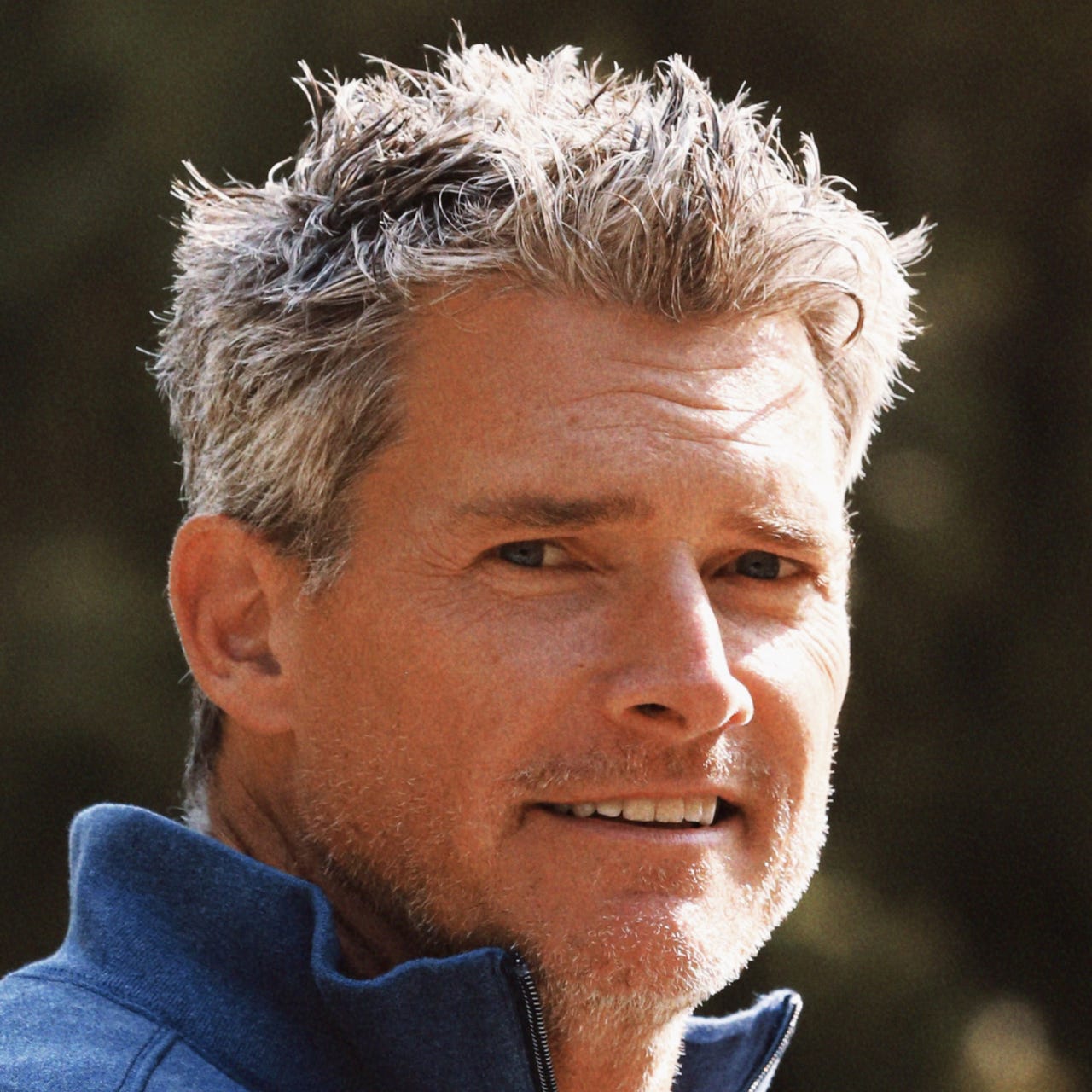
Weekly Insight
Dr. Lucy McBride told me there is no moral prize for being sober. She starts with awareness of what a habit does for you and what it does against you, and she looks at the effects on sleep, mood, and clear thinking.
This is where no can do more for you. It can be an answer with information behind it. No to the second glass because you know how tomorrow’s sleep will go. No to the invitation when your body is asking for rest. No to the thing you’ve been saying yes to out of habit.
One of her patients was caregiving for her mother, working a demanding job, and drinking more to get through the days. She came in expecting a lecture. Lucy wrote one word on the prescription pad: self-compassion. A no lands better from that place than from shame.
I’m the type of person who wants to say yes to all the things. A word I’ve been sitting with is capacity. I have limits, and I feel them at the end of the day when I’m wiped out. Understanding those limits is a practice, and saying no comes from a place of care, because I can’t be my best if I say yes to everything.
This week, pick one place where you’ve been saying yes on autopilot and try a no instead.
No leaves you more to work with tomorrow.
Podcast
Dr. Lucy McBride has been a primary care physician in Washington, DC for 25 years. She trained at Harvard Medical School and Johns Hopkins, writes the newsletter Are You Okay? for more than 43,000 subscribers, and her new book, Beyond the Prescription, came out in August and became a USA Today bestseller.
Her father has been sober since he was 50, and that history shapes how she talks with patients about alcohol. She starts with no judgment. She also points out that a standard checkup tends to shrink the topic to drinks per week, while the more useful questions are what the drinking is doing for you and what it may be doing to your sleep, digestion, mood, and relationships. Lab work can look normal the whole time.
We also covered what she has seen with GLP-1 medications and alcohol cravings in some of her patients, why self-compassion belongs in the toolkit, and how loneliness and drinking feed each other. Her own creative outlets are writing and getting dressed, with a consignment shop where everyone knows her name.
“Just because something’s legal and socially acceptable doesn’t mean it’s good for you.”
You can listen on Spotify and Apple Podcasts as well.
My guest this week is Greg Downs on Thursday, October 15 at 3:00P ET
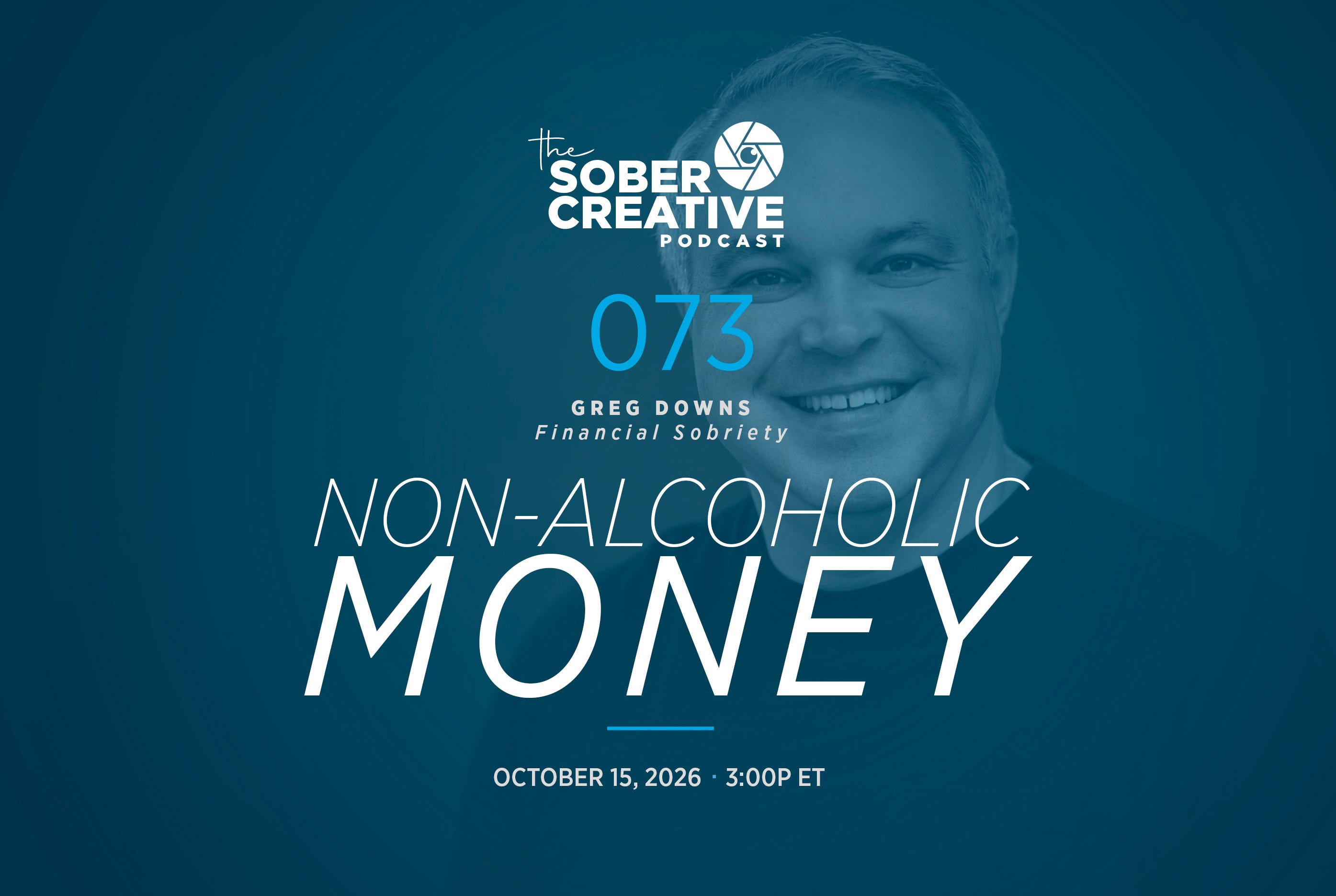
For 14 years, Greg managed money for ultra-wealthy families in Palm Beach.
He grew up on a dirt road in central Florida and never felt like he belonged in those rooms, so he spent like the people around him and drank until he was funny enough to fit in.
From the outside, he had it figured out. On the inside, he was falling apart.
On Thursday, Greg shares what changed when he got sober and what he found when he looked at his spending with the same honesty.
He talks about the 12 step framework he now uses to coach people through their money, one dollar at a time, and the book he’s writing about it.

The Other Side Of The Mic
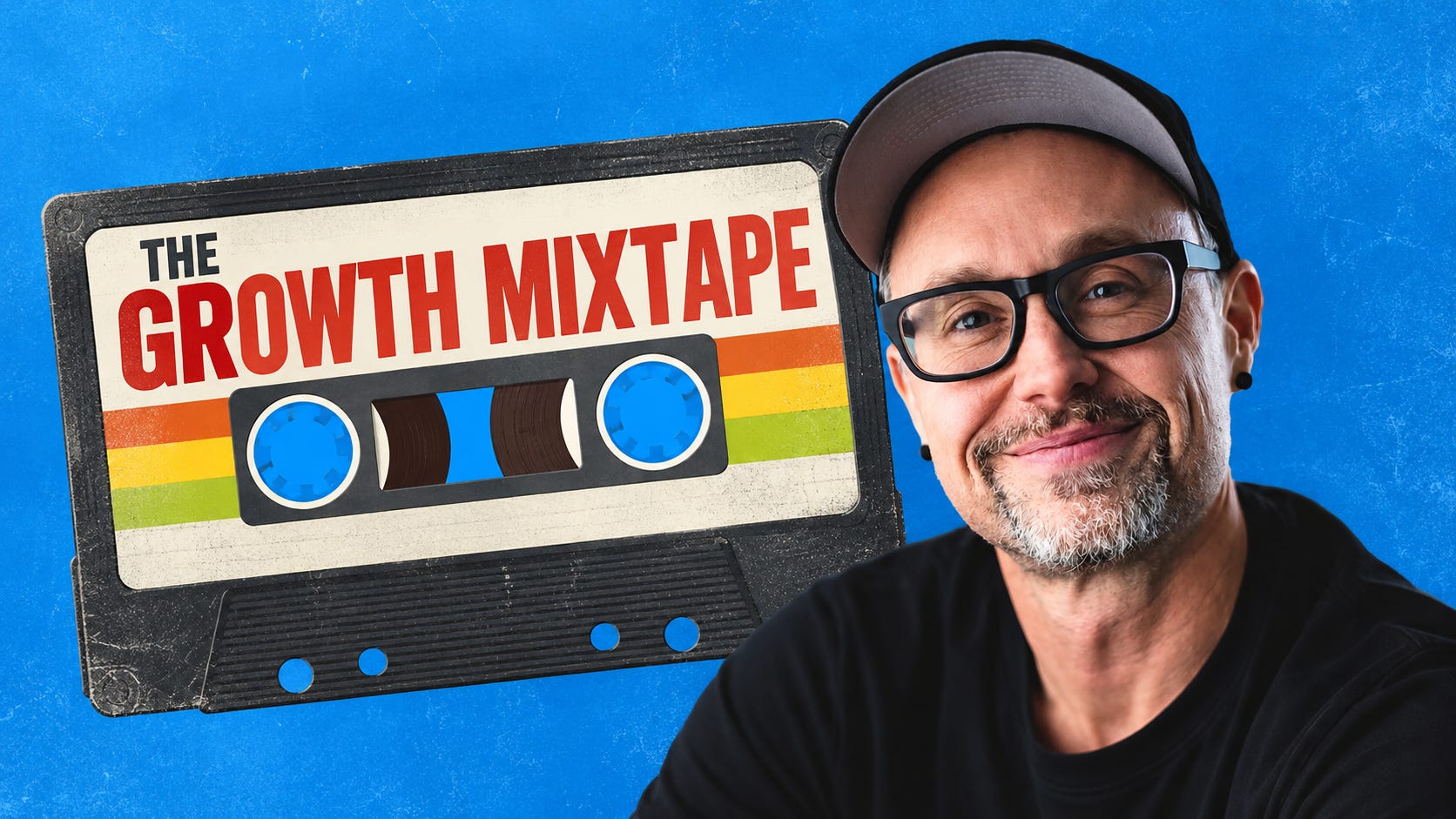
Bob Mathers had me on The Growth Mixtape, and he turned the tables after I interviewed him on this podcast a few weeks back.
We started with my first memory of alcohol, a tall Budweiser my brother handed me by a pool, and the DUI in Daytona Beach right after high school. We talked about the Orangetheory coach who told me I wouldn’t progress if I kept drinking. That comment was the first click of awareness, and it still took a few years before I stopped. This Naked Mind and One Year No Beer helped from there, and going public with a year off gave me accountability.
From there we got into what sobriety does for creativity. Getting sober gave me more space and time to create, more presence on shoots like the Indy 500, and an easier flow in the edit. We also covered the trek to Machu Picchu, why I think everyone is creative once they sit down and do it, and how the 30-day Reset now works as four weeks one-on-one.
The episode runs just under an hour.