


Weekly Insight
Discipline was in my life for years before I could see it. Every attempt to drink less started with a number I set before I left the house and ended with me well past it by midnight. I counted those nights as failures. I was right about the night and clueless about what was collecting underneath it.
Moderating was never something I got good at. What I did over and over was set an intention about my own behavior and come back the next day to set it again after it didn’t hold. That turned out to be the whole skill. I was practicing it on the one thing that was never going to give it back to me.
When the drinking stopped, that practice was already in my hands and it went looking for somewhere to land. Everything after that moved slowly, one thing at a time, most of it too gradual to feel like progress while it was happening.
The part I didn’t expect is how directly it feeds the work. Sleep, food, the gym, the walking. None of it makes a good post and all of it decides what I’m capable of on a shoot day or in a session with a client. When one of them slips, the work is the first place it shows, usually before I’ve admitted anything to myself.
Look at whatever you think you’ve been failing at, and count the number of times you came back to it instead of the number of times it held.
The reps counted before they worked.
Podcast
Dr. A Leslie Morrow spent 35 years at UNC studying what alcohol does inside the brain. More than 238 published papers. Twenty-five years as associate director of the Bowles Center for Alcohol Studies. A Lifetime Achievement Award from the Research Society on Alcohol in 2024.
Most of my guests on this show have told me their story. Leslie told me the mechanism.
She could have spent the hour on technical science. Instead she gave me the one discovery she thinks matters most. A lifetime of heavy drinking leaves inflammation behind, in the brain and in every other organ, and it gets in the way of normal function. That’s part of why control is so hard and craving is so loud. The part that stopped me: it makes your original reason for drinking worse. If you drank because you were anxious, it makes you more anxious. If something hurt, it makes the pain sharper. “So basically, it’s making all the triggers stronger.”
They know this from studying the brains of people who died with alcohol use disorder. The inflammatory markers were high, and the levels tracked with how much that person drank over a lifetime.
I asked whether it reverses. “It’s really hard to get rid of that inflammation. It’s really hard. Once it starts, it can stay your whole life.”
Then I asked about hangovers. The hangover is mostly the immediate effects. What lingers after it lifts is more likely inflammation. Her list: the brain fog, the anxiety, the enhanced sensitivity to pain, the difficulty focusing. Those can last a week or far longer. “When you feel like you’re living with those things and they just don’t ever leave you, to me that’s a sign that you have inflammation that you need to address. And then you’ll be much better able to change your behavior the way you want to.”
For years I thought that fog was a character problem.
Her short list for lowering it is three things. Exercise has the strongest science behind it, and she was specific: more than four days a week, whatever form you actually enjoy. Pregnenolone, a steroid your body already makes and that chronic drinking and chronic stress deplete. A Yale trial with about 300 people ran eight weeks at 300 mg a day and saw normalized stress responses and less craving. And glycyrrhiza, from licorice root, around 400 mg a day, now heading into human trials.
She’s a scientist sharing research, not your doctor. If you take medication or have high blood pressure, that last one needs a conversation with someone who knows your history. She was also clear about buying supplements from a reputable, independently tested source.
Near the end she mentioned that inflammation plays a big role in depression too. A lot of people who drink are drinking because they feel depressed. That was me.
“And by the way, it’s the same pathway.”
You can listen on Spotify and Apple Podcasts as well.
My guest this week is with Tiffiny Yaxley on September 17 at 11:00A ET
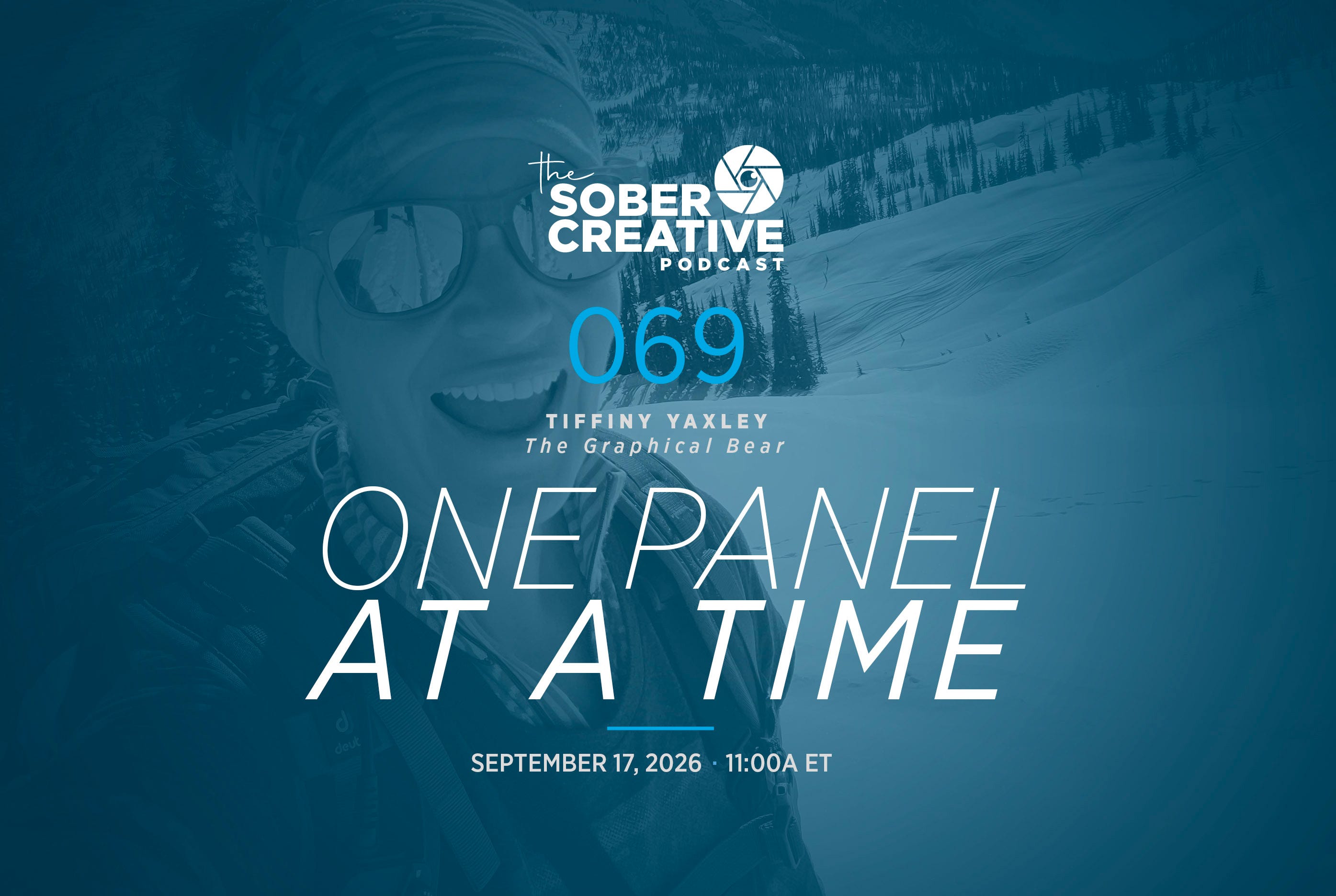
Tiffiny Yaxley draws a bear. The bear is basically her, doing her best to navigate a world that got a lot louder once she stopped drinking.
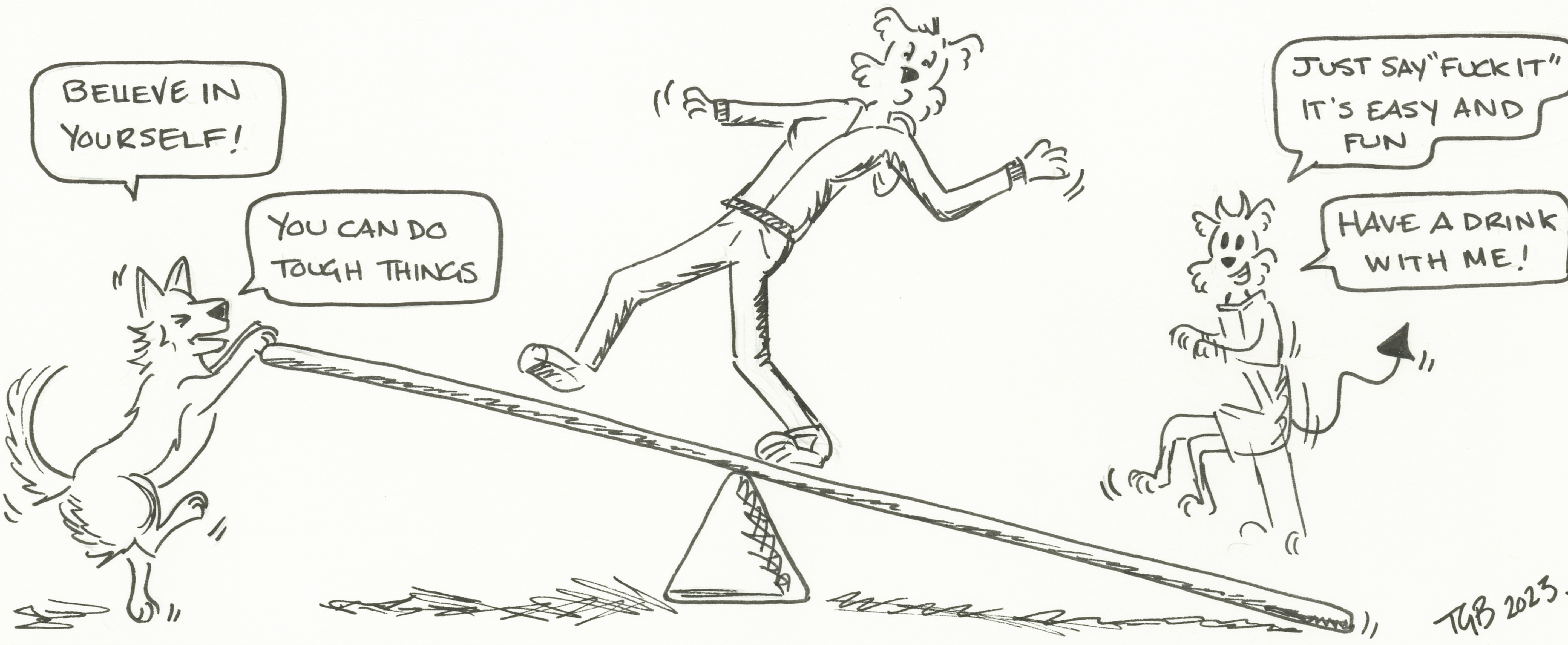
She's been sober since May 2022, and the clear-minded days brought more feeling than she bargained for, including a depression she had been filing away as "stuff that happened." So she drew it. Panel by panel, her comics became a way to get a feeling outside her own head where she could actually look at it, laugh at some of it, and keep going.
The result is work that's funny and honest in the same breath, full of hand-drawn charts plotting things like how many people she wants to be around as she gets older.
This week she joins me from the Canadian Rockies to talk about what art can carry that words can't, what happened when she finally let herself feel the hard parts, and how she built a life she wants to be awake for.
What I’m Creating
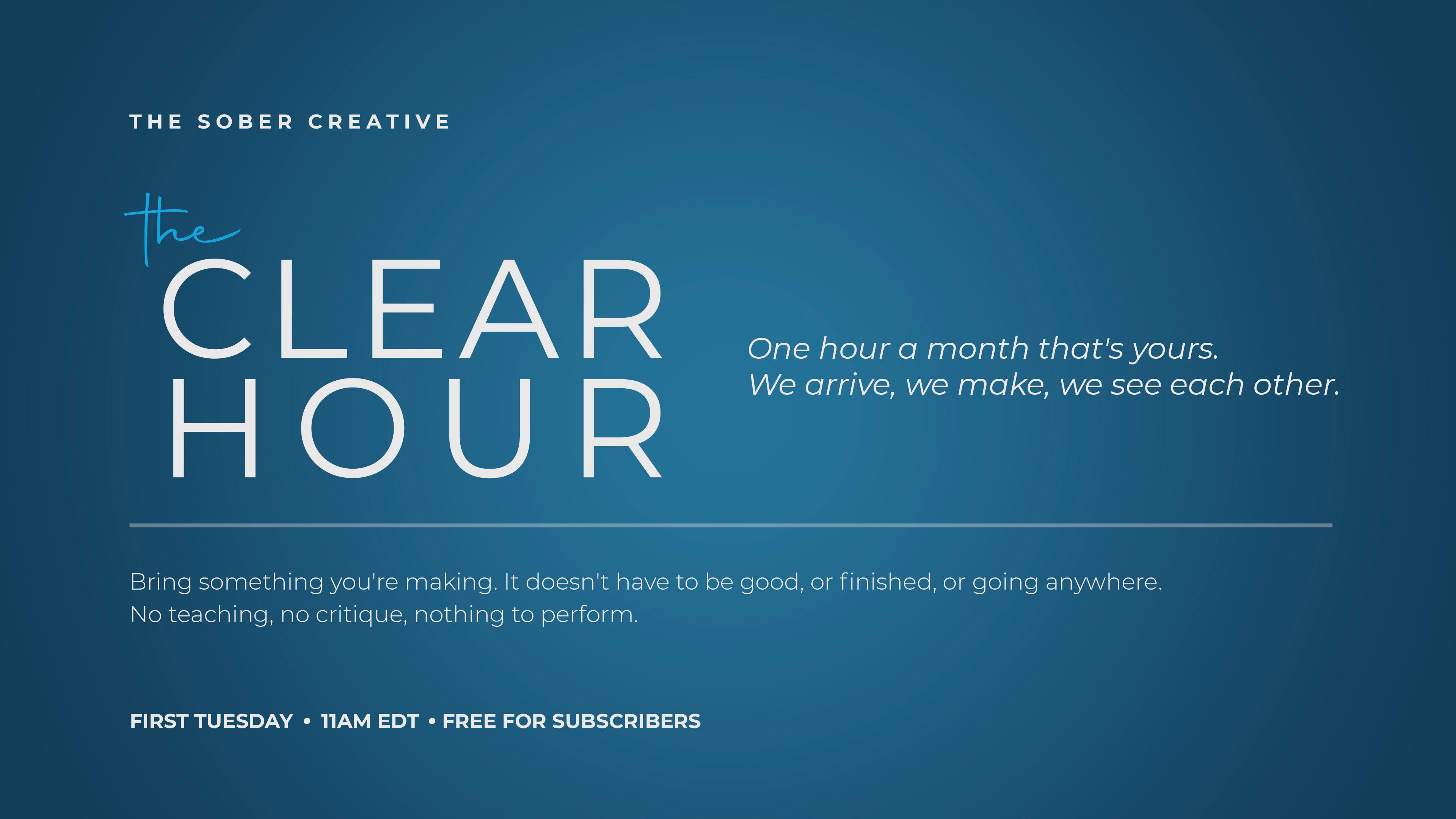
The next Clear Hour is Tuesday, October 6, 11:00am ET.
Same shape as the first one. Ten minutes to arrive. Thirty-five where we all make something, cameras on, mics off. Fifteen at the end to say what came of it.
Free for subscribers, and the link goes out the morning of.
If you commented or replied last week, you’re already on my list and I’ll send it to you directly.