


Weekly Insight
“Abnormal from the perspective of human needs, such dislocation is now an entrenched fact of 'normality' in our culture.”
Máté Gábor — The Myth of Normal
Culture has a way of relabeling things. Do something long enough, surrounded by enough people doing some version of the same thing, and it stops registering as strange. Not because it changed. Because the label around it changed. That’s what Maté means by dislocation: a way of living that’s abnormal by every measure of what a person actually needs, filed under normal because it’s common.
Alcohol has been classified as a Group 1 carcinogen, the same category as tobacco and asbestos, but somehow it’s the toast at every wedding, the gift at every housewarming, the answer to “I had a long day.”
That relabeling is easy to miss from inside it. It usually takes a clear before and a clear after to know the line was ever there.
Maté names the needs directly: connection to yourself, connection to other people, some sense that any of it means something. Alcohol is what dislocation reaches for. It just made the absence easier to ignore for a few hours.
Sobriety is what it looks like to actually have those three things again: a self worth staying connected to, people worth being present with, days that mean something.
Podcast
Dana Kay is a writer, connector, and nurturer who’s been alcohol-free for nearly ten years, with her ten-year mark coming on September 1st.
Her first memory of alcohol is from a dinner party at her parents’ house around age five, sneaking sips while the adults were turned away in conversation and eventually passing out on a beanbag while the room laughed above her. By college at UC Davis she was living two lives, sober with a Christian group during the week, drinking and partying every time she drove home, a split she later called more of a rush than the alcohol itself.
She carried that split into her 30s. After moving into real estate in 2006, she built a hidden daily system: sober for school drop-off, drinking through the day, vodka in water bottles during home inspections for over a decade, timed naps so she’d look sober by the time her kids got off the bus. Two DUIs and a therapist calling out her drinking sent her to treatment for the first time in January 2016. It didn’t hold, and she relapsed within months.
Her second treatment stay later that year worked because it required something different, an entirely new identity rather than just stopping the behavior. She’s been sober since, and now writes on Substack as Dana Kay about recovery, grief, and connection.
You can listen on Spotify and Apple Podcasts as well.
My guest this week is with Hunter Biden on August 13 at 3P EDT
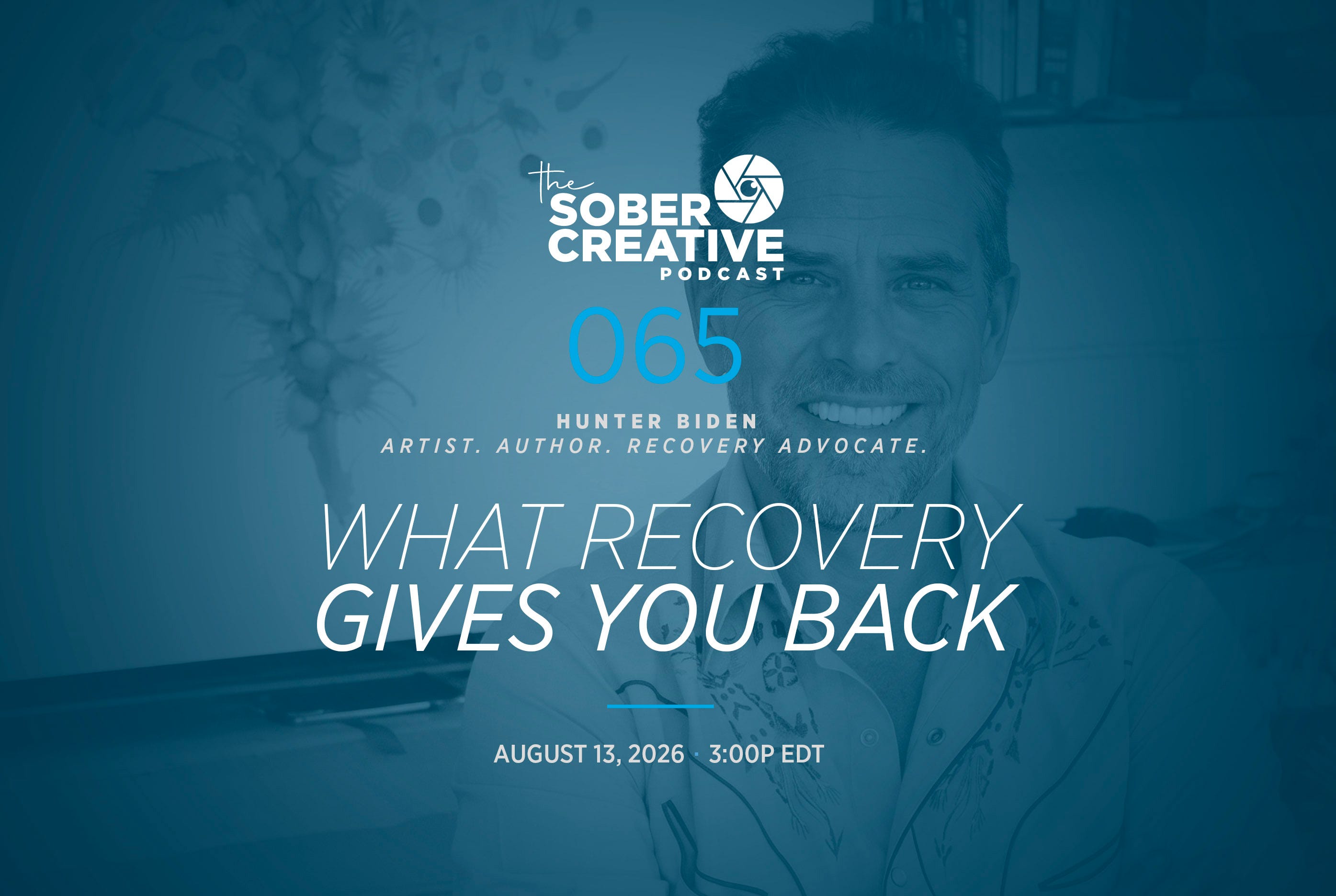
This week on the podcast, I’m sitting down with Hunter Biden.
Before you land on the two words most people reach for when they hear that name, I want you to know what this conversation actually is: a man whose worst chapter played out in public, who found his way back through a paintbrush because it was the one thing left that didn’t ask him to explain himself.
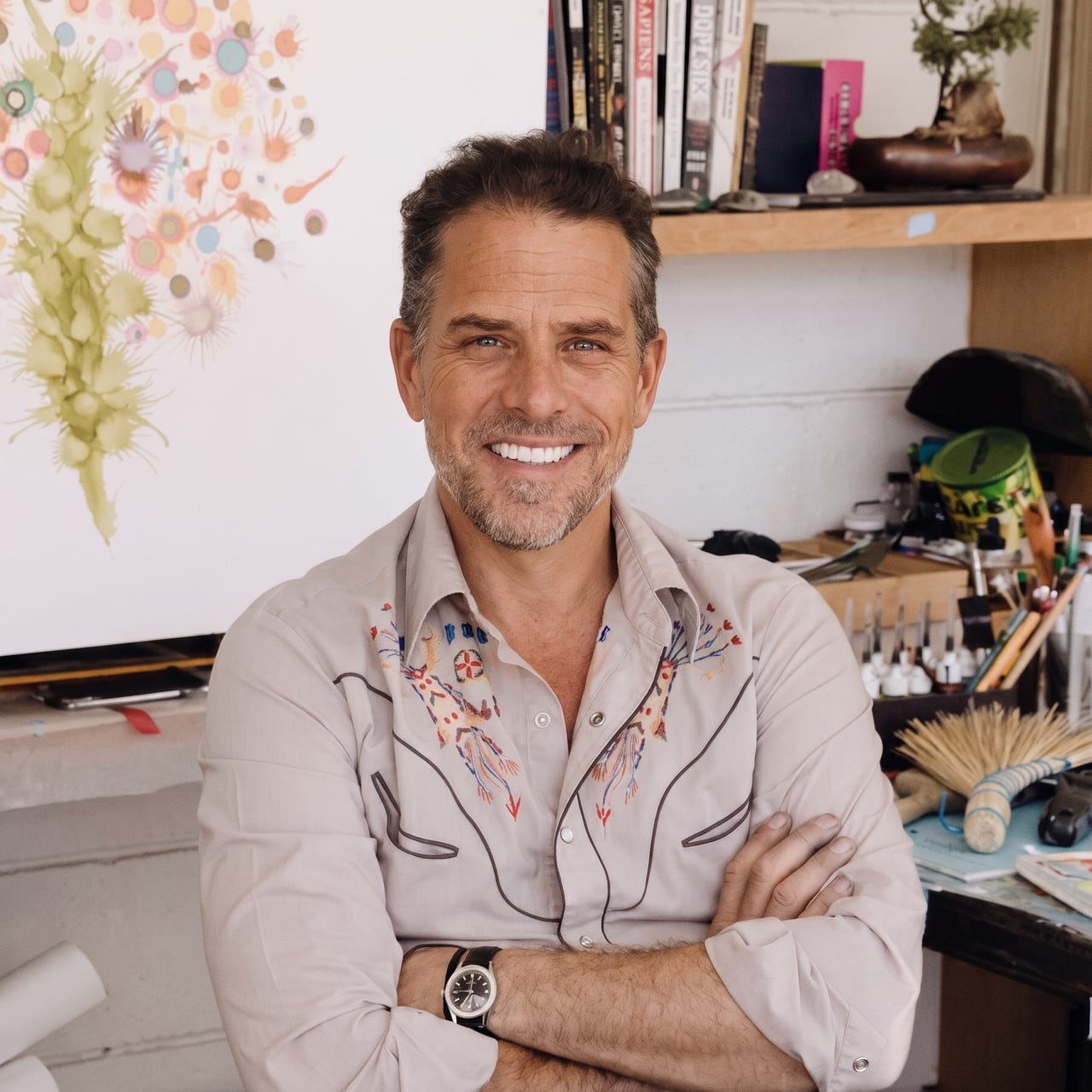
Seven years ago, at what he describes as the point where he could no longer trust his own mind, he started painting: alcohol ink, acrylic, pointillism, gold where the ordinary needed to be made holy.
We’ll talk about the three names he gives to fear: judgment, humiliation, ridicule, and what it meant to face each one by name. Why humiliation stopped arriving in waves and started living in the air around him like weather, and what it took to change that. And what he means when he says you cannot scroll and paint at the same time: presence as the actual mechanism, not a metaphor for it.
This is a conversation about what recovery gives you, told by someone who spent years assuming it would only take from him.
What I’m Creating
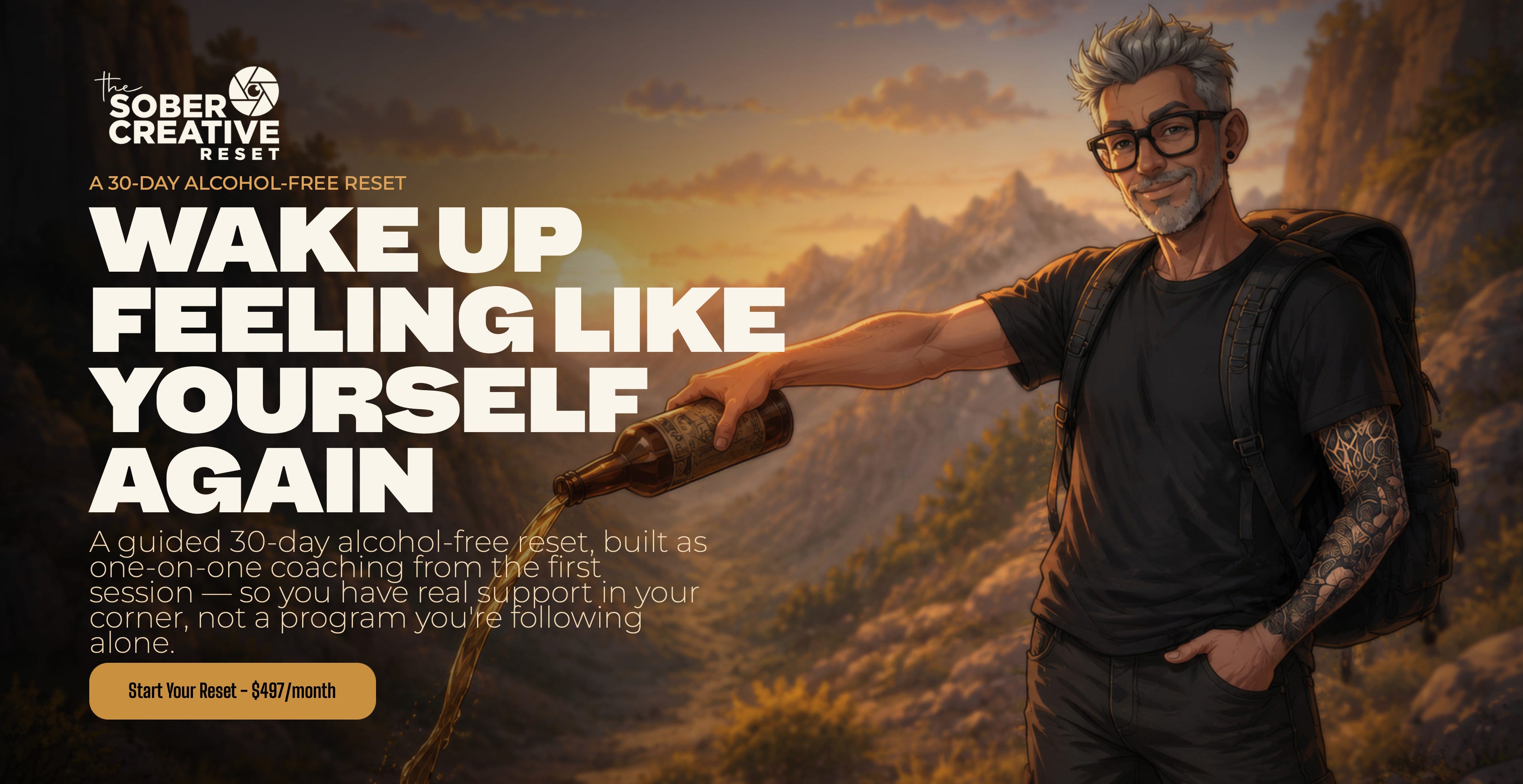
One of the women from January’s Reset messaged me recently. Still not drinking. Eight months in.
That's the only metric that matters. Not sign-ups, not how the cohort format performed. Whether the thing holds once nobody’s checking in.
So this year I ran the Reset twice, and I recently, I decided to stop treating it as a seasonal offer. It’s year round now, one-on-one from the first session, built the way I wish something had existed for me.
Because the part almost nobody names is that the fog isn’t a character flaw. It’s what happens when alcohol is still in the loop and recovery never fully completes. Tension builds, a drink softens it, the body never finishes the job, and the next day starts a little behind. Do that enough years in a row and it stops looking like a cycle. It just looks like how you are.
I’ve spent over two decades in film, in an industry where drinking was just how things were done, and for a long stretch that pattern felt normal to me too. Six years without it, I found out the energy and clarity I thought I’d lost weren’t gone. They’d been sitting underneath recovery that never finished.
That’s what the Reset actually rebuilds: more consistent energy, clearer mornings, less noise, more trust in your own direction. Not a new personality. The one that was already there, before the fog became the baseline.
The part about ‘not a new personality’ really stood out to me. Sometimes starting over isn’t about becoming someone new. It’s about finding your way back to the parts of yourself that were there all along.