


Weekly Insight
There are moments we all experience. A bad day, a fight, a deadline, a feeling nobody wants to sit with alone, and a drink shows up to handle it. For a few hours it works. The edge softens, the noise settles, and the problem feels, for a little while, like it left the room.
Then morning comes and it’s back. The fight is still unresolved. The deadline is still late. The feeling is still there, now with a hangover riding along. Almost everyone I’ve talked to who’s stopped drinking landed on the same math eventually: if the reason survives the drink, the drink was never touching it. It was just buying a few hours of distance, charged to tomorrow.
That's the thread running through every version of this story I've heard. Whatever's underneath still has to be faced. Drinking only adjusts the volume while the music keeps playing.
Essays

In this one I get into how belonging and alcohol got fused together for me long before I was old enough to notice it happening. I trace the wiring back to a first drink I can't fully place, through the escalating chaos of a Daytona Beach spring break, and into the central tension underneath it all: turning down a drink can feel like turning down your place in the group.
I make the case that belonging is the real thread running through nearly every drinking ritual, tailgates, weddings, dance floors, and that pulling alcohol out of those moments leaves the need for connection fully intact and unmet.
I close on The Sober Creative Collective as a working answer, a room built so belonging doesn't run through what's in your hand.
Podcast
Jeff “H” Harrington is a singer, songwriter, producer, and bass player who has been playing gigs for close to 40 years, a lot of them in the blues scene.
He grew up in Milwaukee, a city that regularly ranks near the top nationally for excessive drinking, and by college in Madison he was drinking roughly a dozen beers most nights, medicating a shyness he calls "criminally vulgar." A five-year stretch living in Cleveland, where drinking culture barely existed, showed him how much of the habit was really the city talking. He moved home, fell back into it, and stayed there through his 20s and 30s.
Nine years ago he left a career in medical physics to chase music full time. About five years ago a stomach problem made alcohol physically unbearable, right as he was already cutting back on his own, and he's had maybe three or four drinks a year since.
These days most of his creative energy goes into Inside Sky Chant, a project built on ancient mantras meant to calm whoever's listening, an outgrowth of the meditation practice he picked up after reading Eckhart Tolle's A New Earth fifteen years ago.
JOMO is a golden monkey in a patchwork waistcoat who teaches meditation online with his creator, Jason, at The Monkeymind Meditation Club.
Jason built the show a few years back after his own drinking got out of hand, what he'd call in England being a "sesh head." He learned to meditate to climb out of it, loved what it did for him, and started teaching others, only to find that most people got scared off by meditation's usual look: silent rooms, tricky postures, sunset backdrops.
So he built Jomo, named for the term monks use for the swirl of chattering thoughts everyone is fighting, and made the whole thing simple and a little goofy on purpose. They started on TikTok, where early viewers were confused and occasionally rude, but the audience kept building past 600 live sessions and over two million visits.
Jomo's core message centers on sitting with whatever comes up instead of trying to drown it out, a version of the same work sobriety asks of a person.
You can listen on Spotify and Apple Podcasts as well.
My guest this week is with Dana Kay on August 8 at 1P EDT
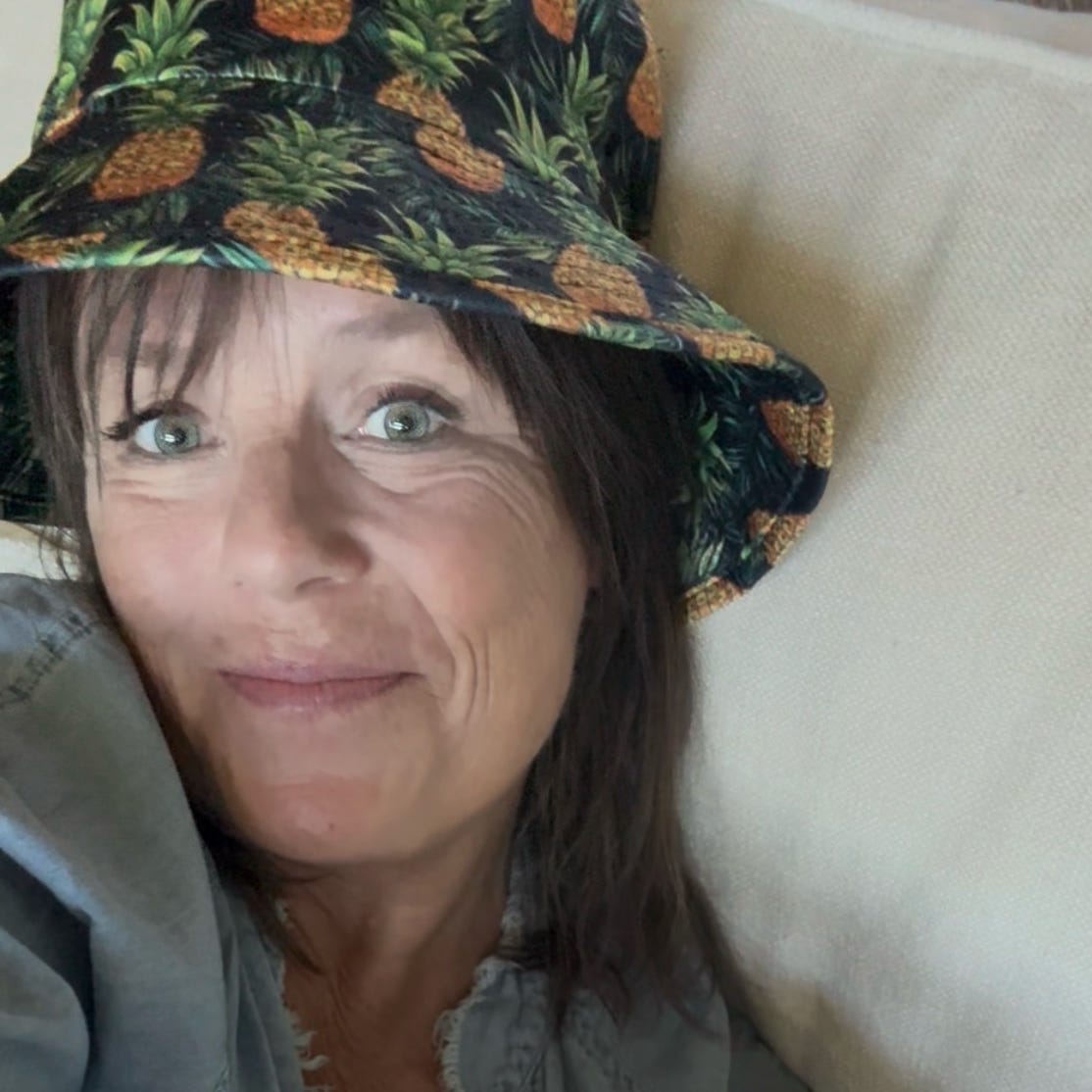
This week I’m sitting down with Dana Kay, a writer and connector who’s been alcohol-free for over nine years.
She writes about what addiction actually feels like from the inside: sneaking sips of wine at her parents’ dinner parties at five years old, two DUIs decades later, faking urinalysis results for two years just to stay out of jail. Dana went to treatment in 2016, twice. The first attempt didn’t hold. The second one changed her life, and she’s spent years since figuring out exactly what made the difference.
We’ll get into that, plus the disease-versus-decision debate that follows every recovery story, and how she went from hiding her drinking to building a public life around love, expression, and owning what she calls her “magic.”
Come sit with us Saturday.
If something here landed and you want to talk about what's possible when you change your relationship with alcohol, let’s explore that together.