


✨Weekly Insight
Real friends show up before you even ask. They notice you’ve gone silent for two weeks and call anyway, without making you explain yourself first. They sit with you before a hard conversation and stay through it, because that’s what caring about someone actually looks like. None of that requires a drink to happen, and none of it disappears once the night is over.
Alcohol never actually did any of that, even on the nights it felt like it did. It softened the edges and made things feel lighter for an hour, and that relief was real, it just was never the same as being cared for. But it never asked how you were actually doing, and it never remembered the hard week that sent you looking for it in the first place.
A real friend does both of those things, and keeps doing them long after the moment has passed.
🎙️Podcast
IAN FEE is an entrepreneur and author of Wild Ride to Sobriety. He grew up in a family where drinking was the family sport, learned to read a room’s drinks before anyone asked for a refill, and built a career on the idea that alcohol was his edge in sales. In 2017, his rehab used aversion therapy: eighteen shots of vodka, whiskey, red wine, and white wine, swished and spit into a bowl while a nurse he called his bartender kept the pours coming. Ten days later he walked out, drove forty minutes home, and found divorce papers waiting in his garage. He’s since lost 85 pounds, built a morning routine around journaling and cold plunges, and is working on a second book about the friends who shape where your life ends up going.
Bob Mathers hosts the podcast The Growth Mixtape and writes The Restless Leader on Substack, for people who built a successful career and now find themselves restless, wondering what the second half is for. He quit drinking on a Monday after Easter in 2022, collapsing into his wife’s arms and telling her he had to stop. Less than a year later, his son collapsed at a restaurant with a mass pressing on his brain, and the family spent a terrifying night in the ER before emergency surgery. Bob says getting sober and nearly losing his son, landing so close together, are why he stopped wasting days. Last month, at 55, he wrote his first song at a songwriting retreat, about the drive with his mother the week he moved her into a retirement home. He heard it fully produced for the first time on a Sunday morning and played it for his family. They all cried.
Gary Allen coaches people through what he calls the second act, the stretch of life after 40 when the setup is finished and the real question shows up: what now. Born with spina bifida and the only wheelchair user in his group growing up, he started drinking at 19 to feel like everybody else. Ten years of going out with his brothers turned into twenty more sharing wine on the couch with his wife. In January 2018, on a flight home from Barcelona, he committed to 100 days without a drink. He hasn’t had one since. He led a team of coaches at One Year No Beer, then built his own practice, the Life Design Collective, arguing against the idea that your life has to be fully figured out by 40. His office in rural Ireland is lined with bookshelves he built before he could really afford them, filled with books he’s been collecting for years.
You can listen on Spotify and Apple Podcasts as well.
My guest this week is with Jeff “H” Harrington on July 23 at 12P EDT
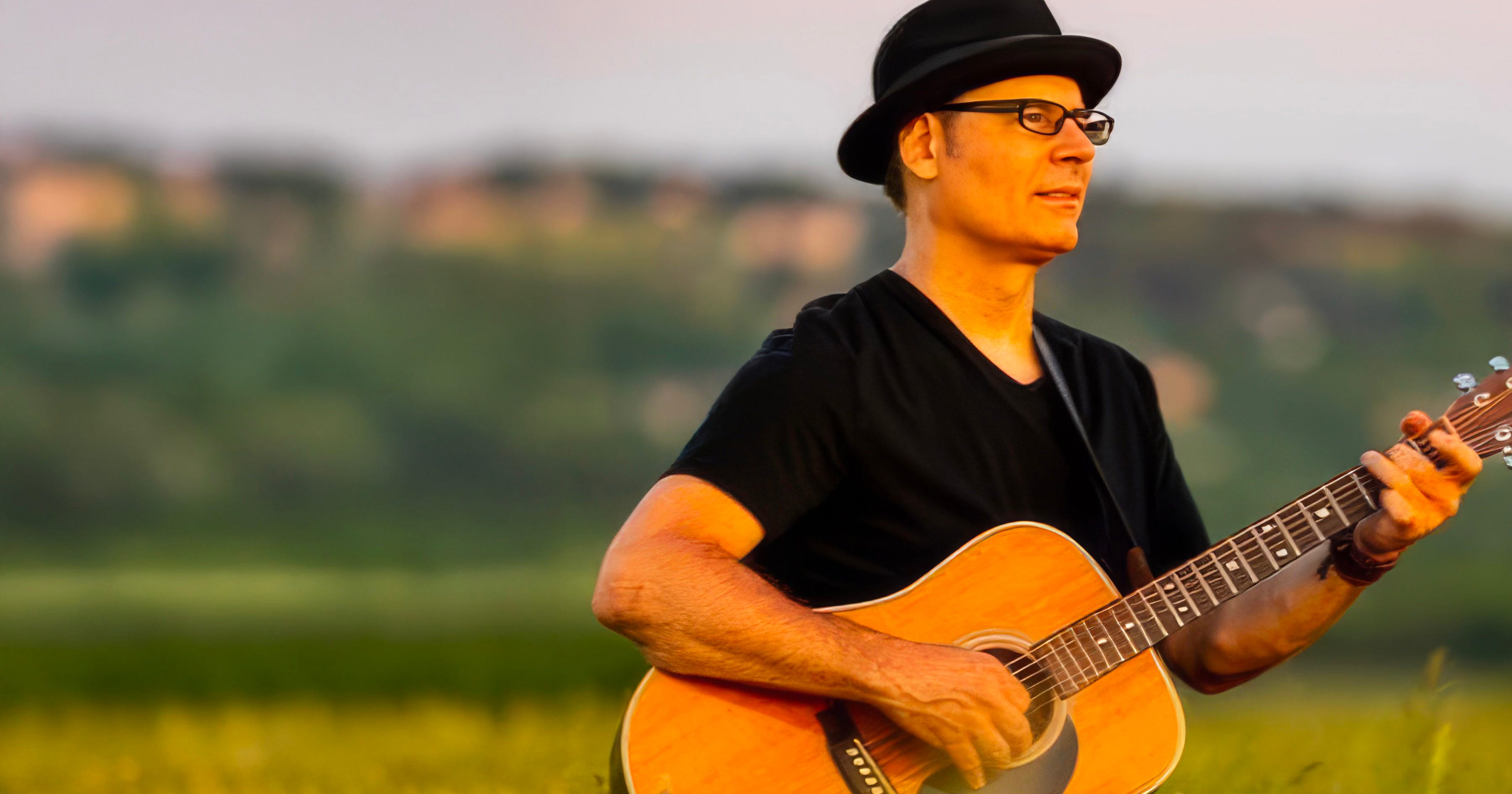
This week I'm talking with Jeff Harrington/InsideSkyChant. He's a singer, songwriter, producer, and bass player who has been gigging for close to 40 years, a good chunk of it in the blues scene, though he's never made music his main income.
He left his first career as a medical physicist about nine years ago. He hasn't played out much the last couple years, a shift that traces back to sobriety. He's introverted, and once he stopped drinking, he realized he doesn't like crowded rooms much anymore. He hasn't had a drink in around five years. Before that he drank like a lot of Wisconsinites, meaning too much.
What finally got him to stop was a stomach issue tied to the acidity, arriving right as he was already cutting back on his own. He told me growth matters more to him than anything, and alcohol never helped with that.
Looking forward to talking through all of it: the gigs, the pullback, and what's opened up since.
If something here landed and you want to talk about what's possible when you change your relationship with alcohol, let’s explore that together.
An impressive mission of support you are on, Josh. Well done you!
And thank you, once again, Josh!