


✨Weekly Insight
You had dreams before the drinking took over.
Maybe you still do. Maybe they live somewhere underneath the noise.
When you get sober: that empty space in the cup is filled with time. It comes back in the mornings. In the evenings. In the hours you used to spend recovering from the night before.
That time is yours now.
That’s the substance dreams are made of. Not motivation. Not talent. Not the perfect moment. Time. Attention. Presence. The willingness to show up for something that actually matters to you.
Drinking didn’t just cost you mornings. It cost you the belief that you were someone who could build the thing you kept postponing. It kept the volume low on the part of you that wanted more.
When you let it go, that part gets louder.
The version of you that wanted to make something, create something, become something — that version didn’t disappear. It was just waiting for the space.
You’re making the space now.
That’s not nothing. That’s everything.
🧘Guided Practices
From Thinking to Drinking: Creating Space to Choose Differently

An audio series about the space between discomfort and the drink.
Your thoughts aren’t the problem. Your relationship with them might be.
We average somewhere between 50,000 and 60,000 thoughts per day.
Most of them we never notice.
But some of them — the ones that show up when we’re stressed, overwhelmed, or just worn down — those ones we feel. And before we’ve even had a chance to examine them, we’ve already reached for a drink.
That’s what this new audio series is about.
From Thinking to Drinking: Creating Space to Choose Differently is an exploration of the space between discomfort and the decision to drink. Not a lecture. Not a program. Just an honest look at what’s actually happening inside us in those moments when the automatic response kicks in.
In the first episode, I walk through something simple — two people taking the same walk, on the same path, having two completely different experiences. The difference? What was happening inside them before they ever took a step.
That’s the thing about our thinking. It shapes everything. And most of the time, we don’t even realize it’s running the show.
This series is for anyone who’s ever wondered why the impulse to drink feels so automatic. If you’ve asked yourself that question, this is a good place to start.
🎙️Clear Conversations: Creative Minds in Sobriety
Cory Gerlach got sober at 20. Never had a legal drink in the US.
By that point he’d already moved to Australia alone with $2,000, gone off the rails on hard drugs, come back broke, and moved in with his parents. A stranger at the coffee shop where he worked saw something in him and suggested rehab.
He went. Sitting in rooms with people in their 50s and 60s who’d been at it for decades, he recognized himself in their stories. He saw where the road went.
He didn’t plan to stay sober forever. He just decided he couldn’t build the life he wanted while drinking the way he drank.
From there: Portland community college. Oregon State. Harvard PhD. Senior federal scientist. Congressional advisor during COVID. Then he and his husband rebuilt a dilapidated sailboat and sailed away from all of it. They’re currently anchored in Guatemala with almost no sailing experience when they left.
His take on fear: it’s information, not a verdict. He had an irrational fear of bears. He camped alone in Yellowstone anyway. He’s terrified of financial insecurity. He quit his job and took to open water anyway. What he’s learned is that the idea of the thing is almost always scarier than the thing itself. Once you’re in 10-foot swells with no option to turn back, you rise to it.
Sobriety taught him that first.
His Substack, Radical Paths, documents the whole transition in real time — no clean ending, no hindsight.

You can listen on Spotify and Apple Podcasts as well.
My guest this week is with Jess, The Creator on May 14 at 2:00p EDT
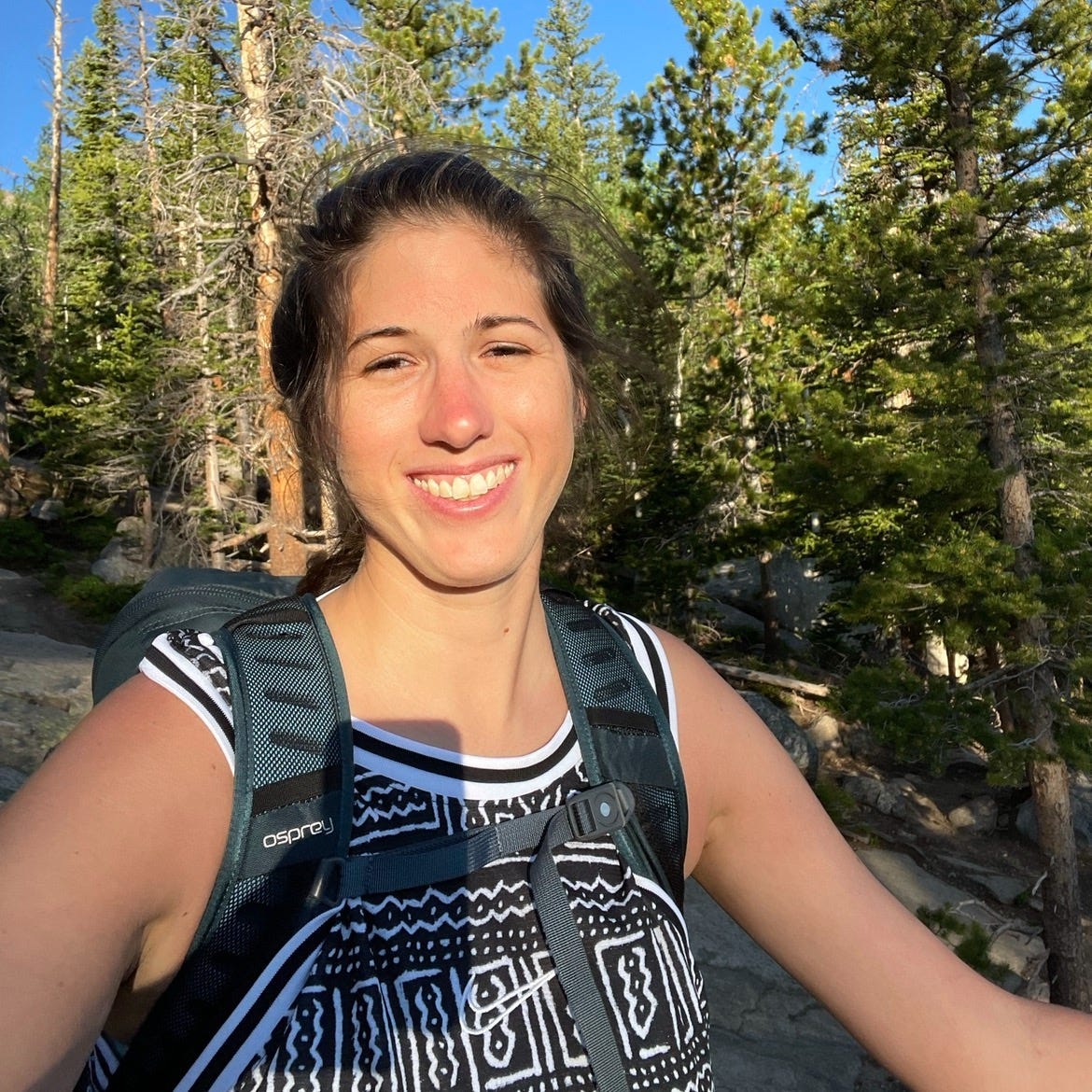
This week I’m sitting down with Jessica Drapluk — nurse practitioner, former pediatric hematology oncology nurse, competitive hockey player, stock market analyst, and full-time Substack writer.
Jessica built NP Fellow: Become the CEO of Your Health around a simple but hard-earned conviction: most health content gives you information, but information alone doesn’t change anything. What changes things is capacity — the ability to stay regulated, make clear decisions, and keep moving when life doesn’t cooperate.
Her path through oncology nursing, competitive sport, and trading floors gave her a framework that most wellness writing skips entirely.
This is a conversation about what it actually looks like to build internal stability that holds, and what becomes possible on the other side of the patterns that have been quietly running the show.

If you are ready to shift your relationship with drinking, here’s how you can work with me.
Alcohol doesn't have to be the obvious problem to be the real one. Sometimes it's just the thing that makes incomplete recovery feel normal. The Sober Creative Method™ is 90 days, 1:1, built around restoring what alcohol has been quietly taking — your energy, your clarity, your creative capacity. Not willpower. Not labels. Just your system recalibrating.
If you have shifted your relationship with drinking and you want to be a part of a growing community, here’s how you can do that.
The hard part is behind you. What comes next is the work — the real creative work — and it goes better when you're not doing it alone. The Sober Creative Collective is where people on this path come to create, be witnessed, and build something that couldn't have existed before.
I'm looking forward to our conversation on Thursday, Josh!!! thank you for having me!