


✨Weekly Insight
The negotiation alone is exhausting.
Do I drink tonight? It’s been a long week. I’ve been good. Just one. I deserve this. But tomorrow’s important. Maybe just a glass. Maybe two. Okay, that’s it.
For two years I tracked. I tried to negotiate with myself daily and failed so many times.
That internal back-and-forth cost more than the drink ever did.
When alcohol is removed from the equation, you get that time back. Not hours—years.
Every negotiation you never have to run again. Every morning you don’t spend doing damage assessment. Every evening that belongs to you from the start.
Clarity isn’t dramatic. It’s just yours, automatically.
🎙️Clear Conversations: Creative Minds in Sobriety
Doan Winkel started drinking at eleven years old in Indiana. Tequila. Older kids. Fields and bonfires. By twenty-five, he’d been through rehab three times, survived a suicide attempt, and accumulated what he calls “dangerous and stupid adventures, some of which I can actually remember.”
Then one day he was just tired. No program. No sponsor. No structured support. He quit.
What he didn’t realize until his late forties was that he hadn’t actually dealt with the addiction. He’d transferred it.
Into work.
A PhD completed in three and a half years when most people take five. Eighty-hour weeks. Singular focus that paid professional dividends and quietly carved out the people closest to him. His marriage. His kid. Social connection. Any semblance of a hobby. The mechanism was the same — that relentless chase of the next hit — just pointed somewhere society hands you a trophy for.
“It still had the negative consequences,” he said. “I just shifted it to a different area.”
What makes Doan’s story unusual isn’t the trajectory. A lot of people who get sober from substances find out later they’ve just repotted the same plant. What’s unusual is where he is now. At fifty-one, twenty-six years since he quit drinking, he’s not in recovery from work addiction in some clean, resolved way. He’s in the middle of it. Actively working with therapists. Building small daily practices. Trying to be present when he gets home instead of turning every conversation into a monologue about his newsletter metrics.
He gets up early with his two chocolate lab sisters. No phone. No screen. Just the dogs and whatever his mind wants to wander toward that isn’t email. When work creeps in — and it does, every single day — he notices it and redirects. He’s treating it the way he once tried to treat the drinking: one small interval at a time.
There’s something worth sitting with in what he said about the skills he built during his using years — the adaptability, the willingness to experiment, the ability to read a landscape and move fast. Those same capacities are now the engine of a career that reaches 20,000+ subscribers and over 120 institutions. The thing that nearly destroyed him turned out to be the training ground.
That tension — between drive and what it costs you — doesn’t go away when the substance does. It just finds new shape.
If you’re someone who went hard at sobriety and then went equally hard at building something, Doan’s story might land in a familiar place.
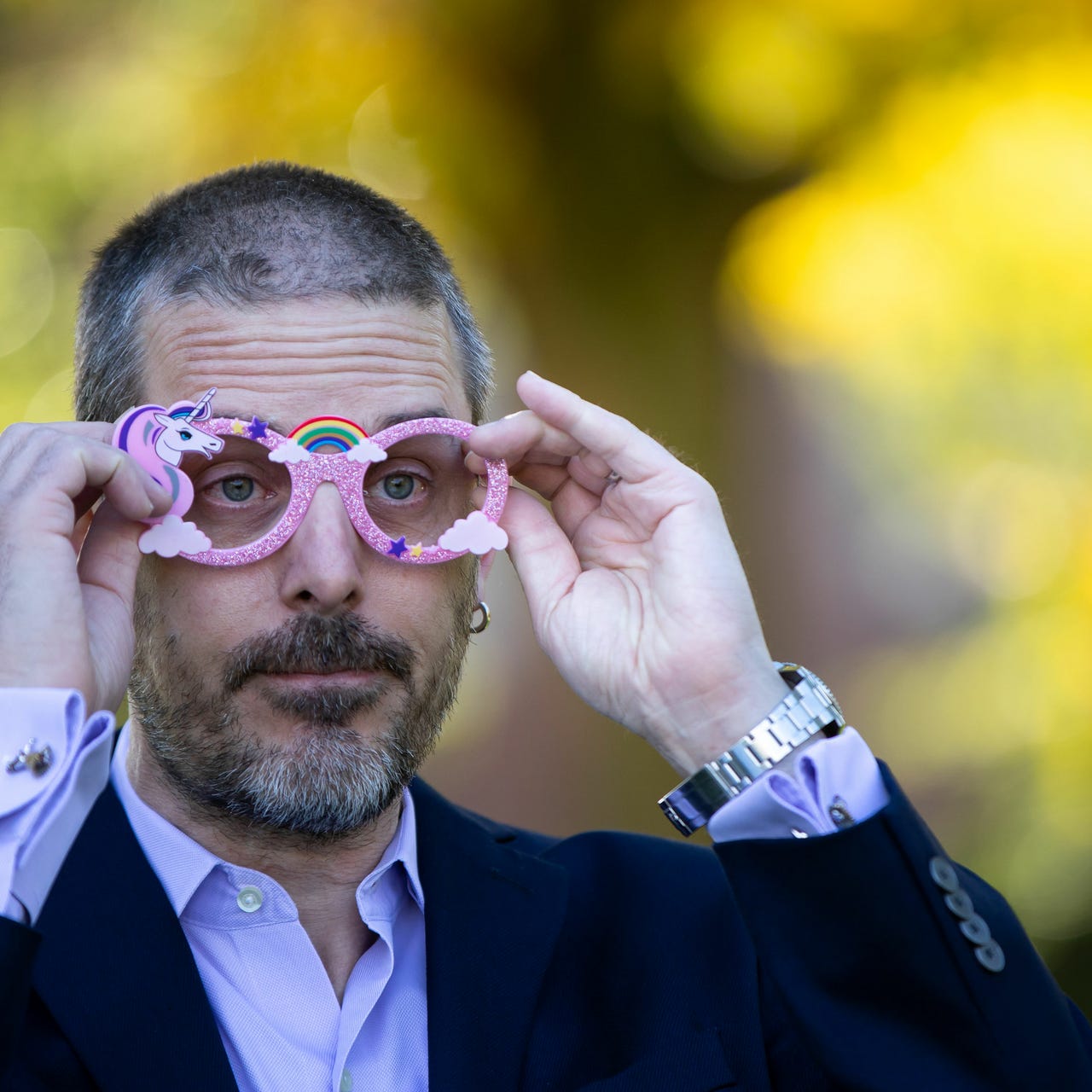
You can listen on Spotify and Apple Podcasts as well.
My Next Guest on🎙️Clear Conversations
Episode 046 with Kerry Hoffman on March 27 at 10a EDT
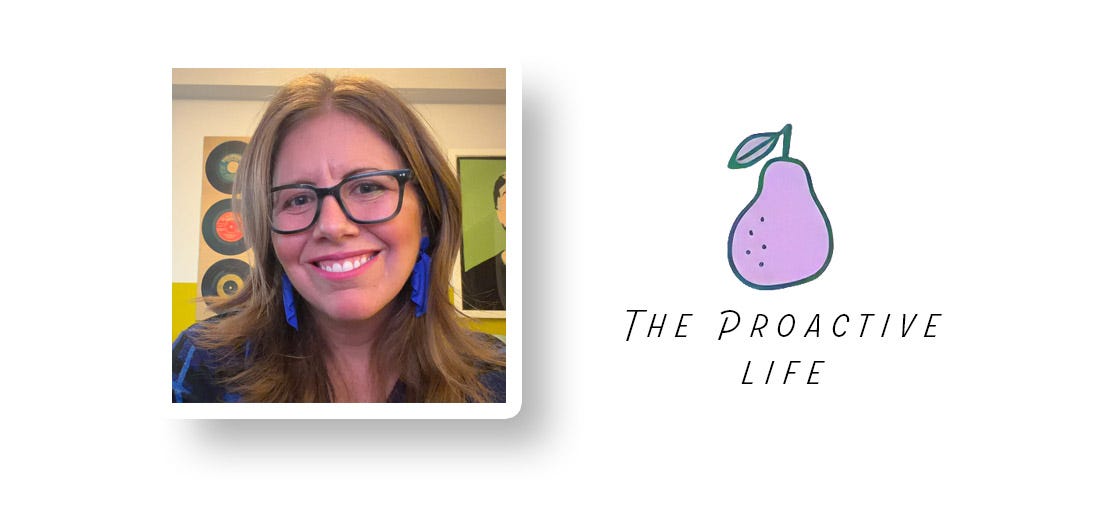
This week, I’m sitting down with Kerry Hoffman — independent project manager, writer, speaker, and self-described dot connector.
Kerry runs The Proactive Life on Substack, a newsletter about building a world, not just a career. Essays on travel, creativity, grief, work, and the beautiful tension between structure and spontaneity.
Kerry’s relationship with alcohol is one that a lot of people will recognize — not rock bottom, but a slow, honest reckoning. After 17 years of drinking, she picked up Sober Curious on a flight home from Aruba and never looked back. What she found on the other side wasn’t just sobriety — it was a writing life, a clearer sense of self, and a proactive approach to all of it.
I think you’re going to love this one.
🌿 The Reset is Starting Next Week
The negotiation Doan had with alcohol, he eventually transferred it to work. Same mechanism. Different substance. The cost just got harder to see.
Kerry’s version was slower. Seventeen years. A flight home from Aruba. A book she picked up and never put down.
What they both found, eventually, was that removing the thing gave them access to something they hadn’t been able to reach.
Rachael said it after January’s cohort: “What every other attempt was missing was someone who’d been on both sides of it. A guide, not a program.”
That’s what the Reset is.
30 Days.
You don’t have to negotiate this time.