


✨Weekly Insight
Sobriety feels fresh because it’s the opposite of what you’ve been doing on repeat—the same bars, same conversations, same mornings waking up foggy and behind.
When you stop drinking, suddenly you’re noticing things: the way light hits in the morning, how much energy you actually have at 2pm, conversations that don’t loop back to nothing. You’re tasting food differently. You’re present for moments that used to blur together.
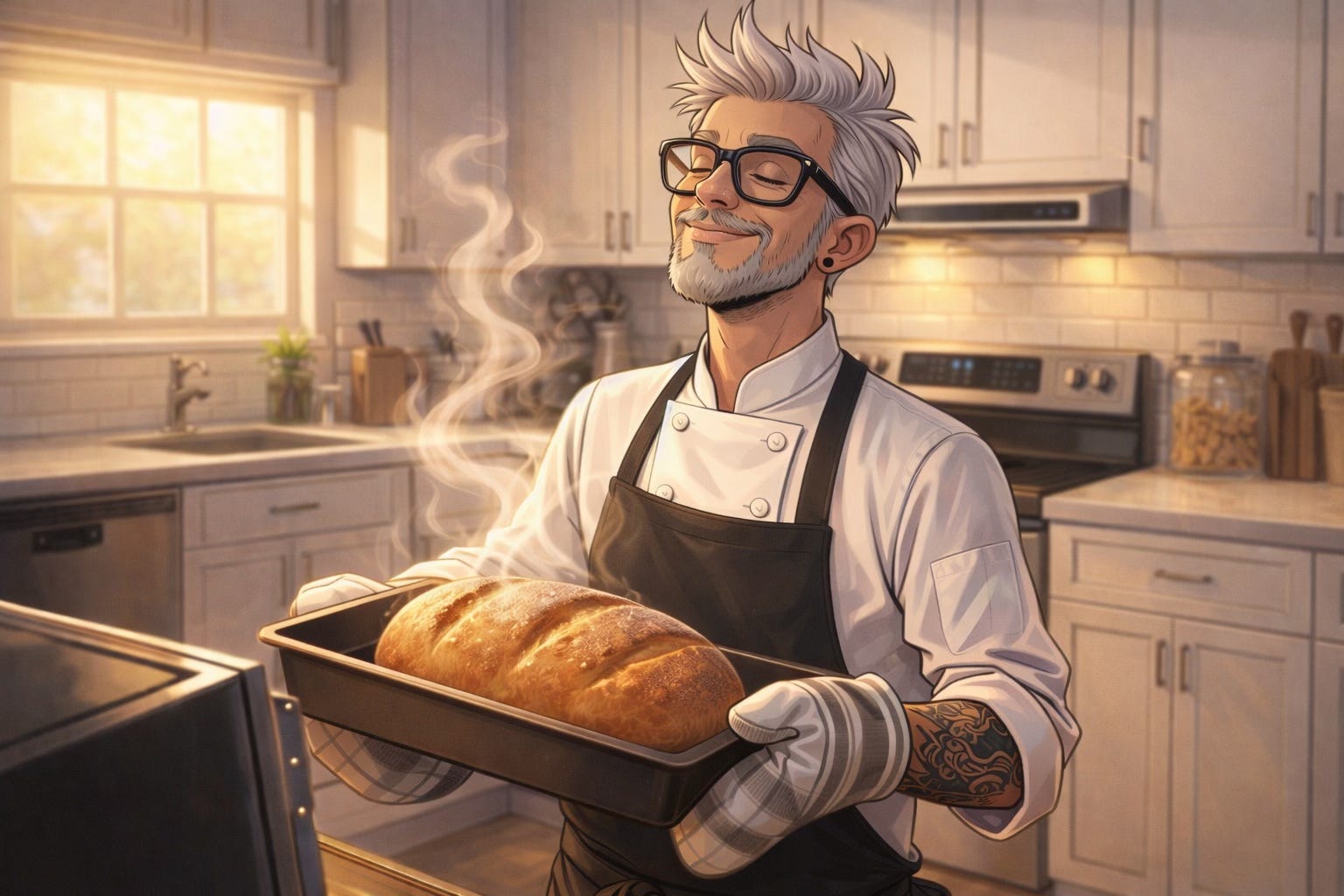
It’s fresh because you’re experiencing life without the filter you didn’t realize was there. Everything has texture again. You’re not numbing or escaping—you’re actually here for what’s happening. That first bite feeling? It’s because you can finally taste again after eating the same thing for years and calling it normal.
The freshness comes from breaking the cycle. From doing something different. From showing up as yourself instead of the version alcohol kept you stuck being.
✍🏻Essays
The orange glow shimmers in my glasses as I watch the embers falling into ash.
New Year’s Eve, 2016. Alone, wasted, waiting for someone who won’t show up.
I stayed over four years in that relationship. Four years of numbing the signal that was trying to tell me I deserved more. Four years I’ll never get back.
That’s what haunting regret does—it replays the same questions: What if I’d left the relationship sooner? What if I listened? What if I trusted myself? Your brain thinks if you analyze it enough, you’ll fix it. You won’t. It’s already done.
Five years sober, I’ve learned: regret can be a chain or it can be an opportunity to find the key. The difference is whether you’re grasping at the past or building with what you learned.
Week 8 of my 10-part series: how your brain gets stuck in regret loops, why alcohol silences the instincts trying to save you, and the forgiveness practice that unlocks the chain.
Week 8: Haunting Regret in Sobriety

10 Pain Points of Sobriety is a weekly series where I explore the real pain points of quitting alcohol—the uncomfortable truths that surface when initial motivation fades. I didn’t need alcohol to be creative; creativity was already part of my life. Alcohol stole the time and energy I could have spent creating. It was my escape from feelings of inadequa…
As a guest piece for the Sober App, “Finding Your Why in Sobriety” shares a deeply personal essay about the difference between New Year's resolutions and finding your actual "why" in sobriety. I explore my own journey—from automatic defensiveness about drinking, through years of depression and isolation, to the moment my fitness coach told me point-blank: "You won't progress if you keep drinking like that." That became my why. Not manufactured on January 1st, but emerged through years of friction between who I was and who I wanted to become. The piece includes research on why 91% of resolutions fail, how my why has evolved over five years of sobriety (from physical → internal growth → service), and the critical role community plays in transformation. I've also created a guided meditation to help you find your own why. Your why is waiting—you just have to be willing to find it.

💡Disrupt the Pattern
The house feels quieter than usual. The ache of loneliness settles in.
And there’s the thought: “A drink would help this.” It promises to soften the feeling, to take the edge off the silence.
But what part of loneliness is actually asking to be seen?
This episode breaks down what’s really happening when you reach for alcohol to numb loneliness—and what changes when you give yourself permission to feel it instead.
🎙️Clear Conversations: Creative Minds in Sobriety
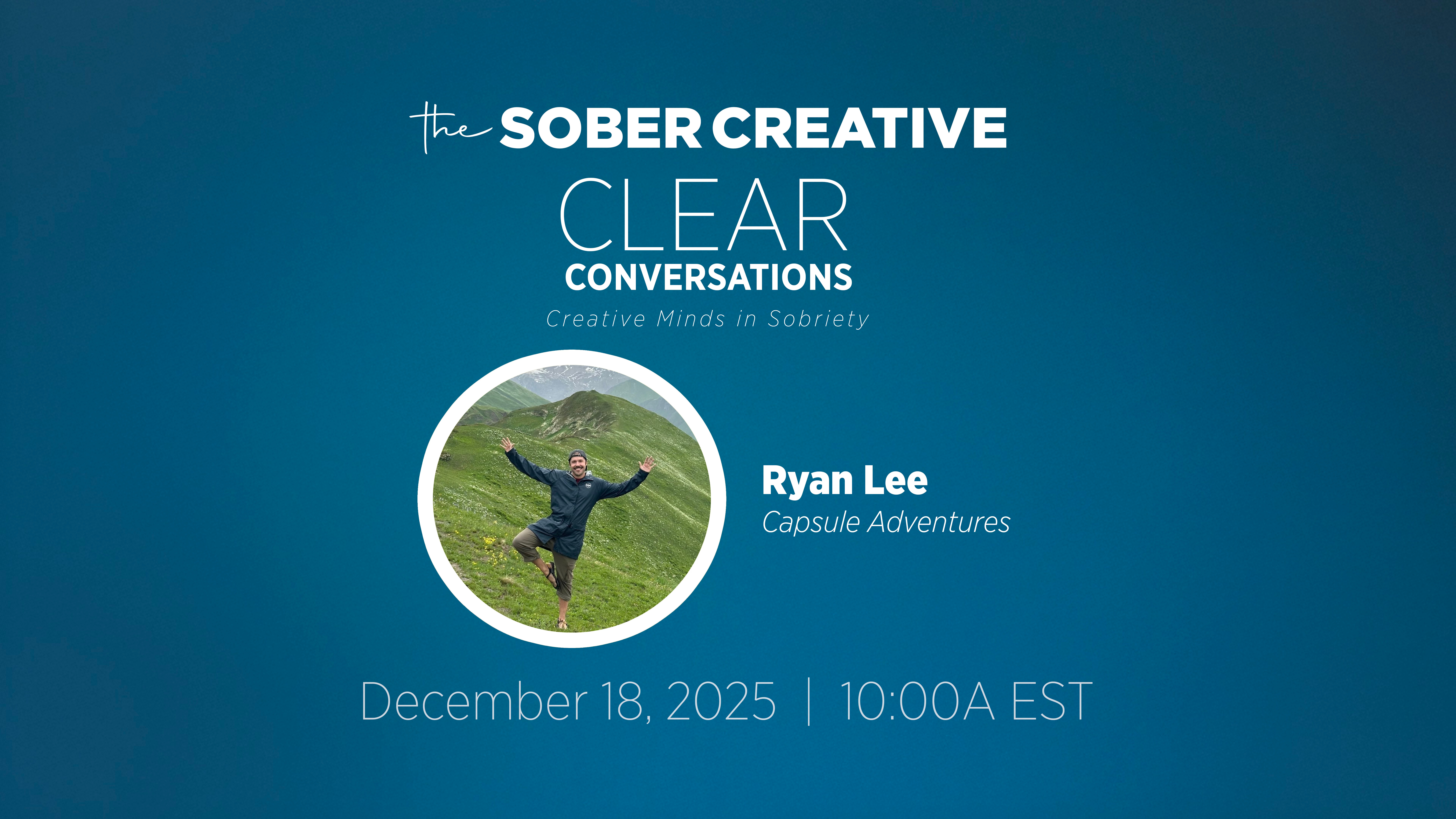
This past week, I sat down with Ryan Lee, founder of Capsule Adventures, who got sober on March 16, 2021—just two days after lying on an Airbnb floor convinced he was dying from a heart attack. He wasn’t dying, but he was using cocaine and ecstasy daily and couldn’t tell the difference between panic and something fatal.
Ryan spent his twenties in New York City stuck in the same cycle: work, party, recover, repeat. He kept hitting his numbers at his corporate job, so he convinced himself he didn’t have a problem. But underneath the performance, he was personally stagnant—professionally functional but completely unfulfilled.
Two days after that ER visit, he got sober. Then he flew home, left his corporate job, and spent 90 days learning to live without substances.
The real breakthrough came on a hike through the Republic of Georgia. After watching another trip derail due to heavy drinking—a foiled assault, a fired guide, fractured group dynamics—Ryan stood in front of an unreal mountainscape and the idea for Capsule Adventures hit him: sober travel experiences where presence replaces performance.
Here’s what he discovered about replacing chaos with joy:
“I assumed sobriety meant that kind of joy was over. But then I replaced the chaos with something better.”
That replacement started with hiking. Then travel. Eleven months sober, gripping the back of a mototaxi in Colombia, he felt genuine joy again—unexpected, unfiltered, real.
He’s now leading bucket-list trips to places like Machu Picchu, Patagonia, and Iceland. And he told me something that captures why these experiences matter:
“When all these things converge and hit you in the face—you just feel so happy and honored to be alive and in this moment and in this place with these people.”
Sobriety doesn’t limit your life. It gives you the clarity to build one worth remembering.

You can listen on Spotify and Apple Podcasts as well:
My Next Guest on🎙️Clear Conversations
Episode 032 with Anna Gibson on December 24th at 3:00p EST
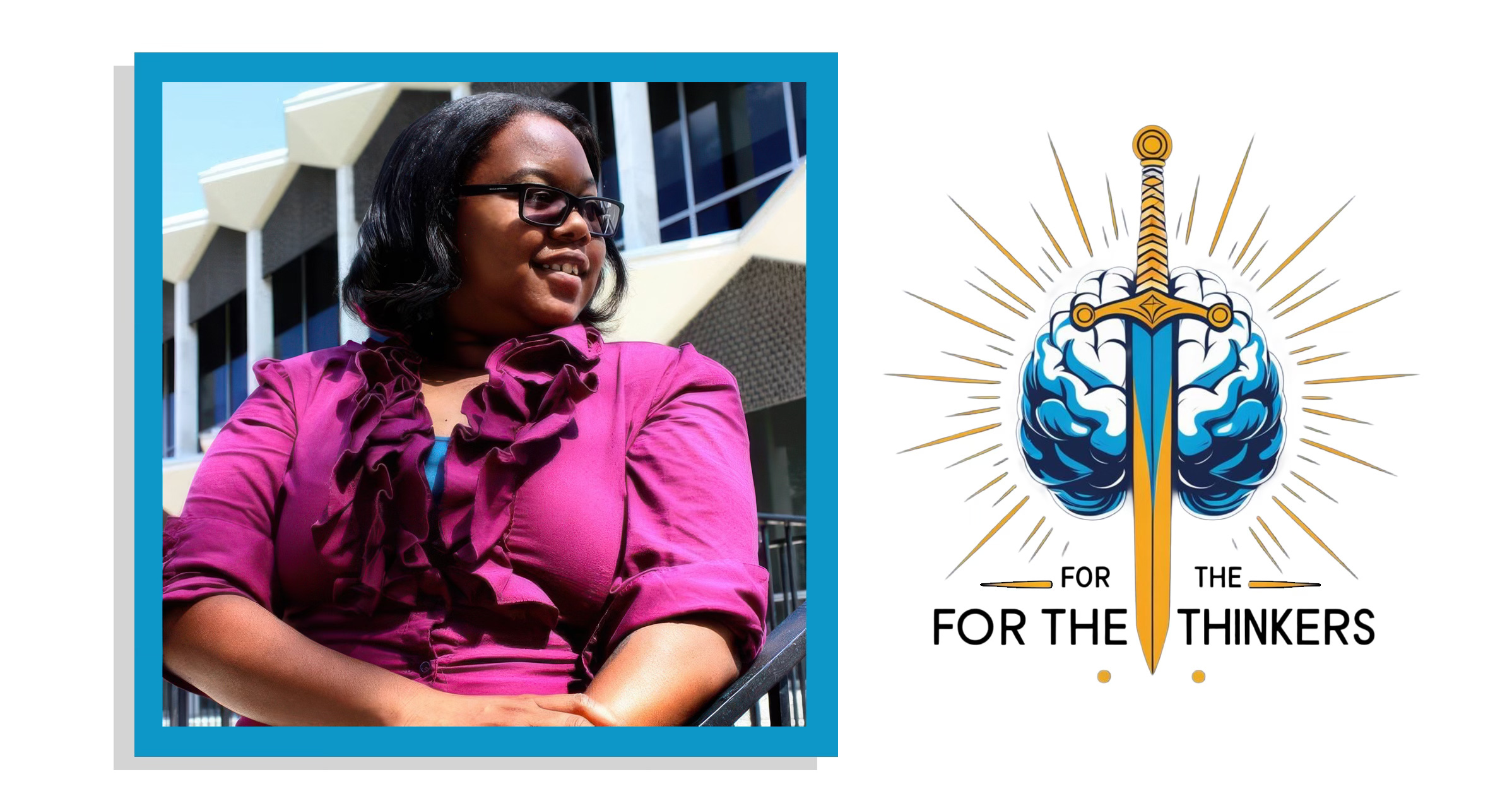
What happens when a neurodivergent creative decides to rebuild their entire artistic practice using AI—not as a shortcut, but as a thinking partner? Anna Gibson hosts "For the Thinkers: AI Creative Mastery," where she's on a mission to help artists, writers, and musicians close the gap between the excellence they can see and what they can actually create. She's not interested in AI-generated content or productivity hacks—she's fascinated by how AI can help creatives extract frameworks from masters, reverse-engineer genius, and develop the kind of deliberate practice that leads to real mastery. This week on Clear Conversations, Anna and I explore how sobriety intersects with creative depth, why she believes precision practice beats random effort, and what it means to build work you'll be proud of in five years.
🎬 Behind the Scenes
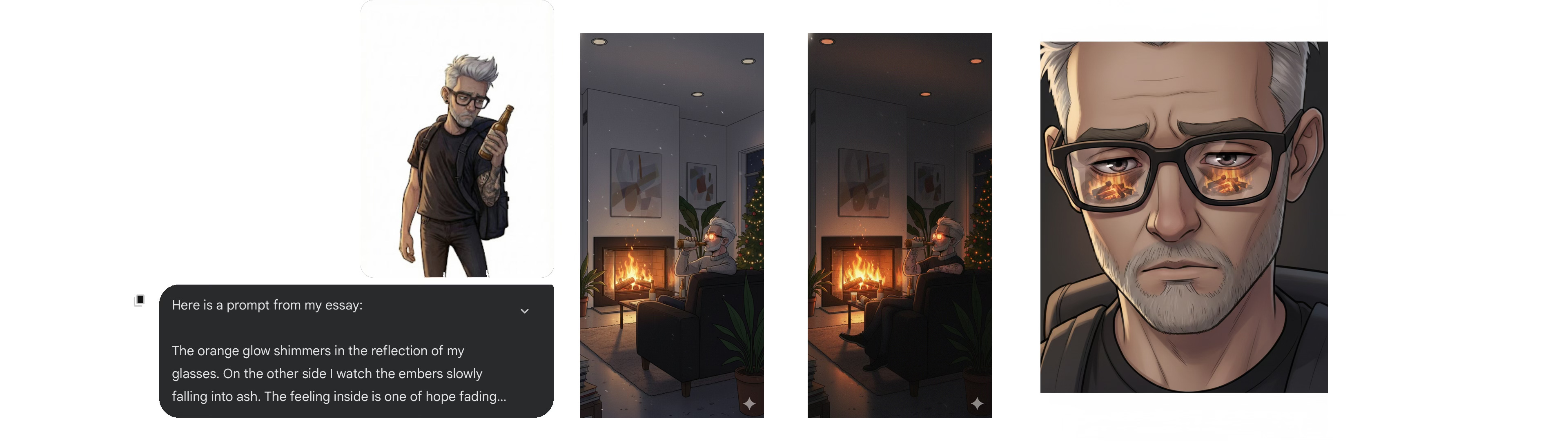
Rarely does AI nail the design right off the bat when I’m working on my illustrations. I’ll bounce between different models—Gemini, ChatGPT, MidJourney.
It’s a lot of starting overs. Tweaking. Modifying. It’s great because sometimes when these show up, it sparks (see what I did there 😝) other ideas which come out even better.
Have your work be playful. A lot of the time this work can be heavy, what I went through, what others are going through is hard. There has to balance though, there has to be light.
P.S. You can view past newsletter editions here.
What’s Next For You?
The 31-Day Alcohol-Free Reset begins January 1st.
This isn’t about labels.
It isn’t about forever.
It’s a focused experiment to see what your creativity feels like when alcohol is no longer in the way.
Clear mornings. More stable energy. Work that flows instead of stalls.
If you’ve been curious, this is the moment.
Not sure yet?
Alcohol may be quietly influencing your focus, energy, or creative confidence more than you realize.
I created a short 5-minute assessment to help you see how it’s showing up for you — without judgment or pressure.
Already clear — just want to talk it through?
You can book a free 1:1 Breakthrough Session.
No pitch. No pressure. Just clarity.
Each step forward is an act of becoming.
Thank you for being here.
Josh