


✨Weekly Insight
I realize this question may be a bit of a jolt. I turned 44 a couple of days ago and these types of reflections and questions come to me. I hesitate at times on whether or not to share, but there are moments when leaning in—even when it feels uncomfortable—is the right thing to do.
I’ve been fortunate to have a really great relationship with my parents, who have been sober for well over 30 years now. I understand we all have different relationships and feelings around family.
For much of my life, I wanted to make my parents proud. What I discovered through sobriety was something even deeper—learning to be proud of myself, for myself. That feeling changed everything. And now, I want others to experience that same sense of pride.
I ask this from a place of genuine openness and curiosity, hoping you’ll meet it the same way.
✍🏻Essays
The cursor blinks. You know what you’re about to see. You hold your breath anyway. Click.
Negative. Again.
You tell yourself the same lie: I’ll deal with it tomorrow. Next month will be different.
But tomorrow never comes when you’re hiding from the numbers.
Quitting drinking doesn’t magically fix your bank account. It just removes the bandaid. Suddenly you’re forced to look at what you’ve been avoiding for years.
A few months into sobriety, I cut up over 20 credit cards. Not because the debt was gone—because I’d finally stopped the bleeding.
The shift wasn’t the debt disappearing. It was my relationship with money changing entirely.
Before: spend because I had it (the illusion of credit), avoid the interest balances, pretend the debt wasn’t growing.
After: look at the numbers directly. Every dollar had a purpose.
Over five years, I’ve saved an estimated $25,000 to $40,000. Not just from not buying alcohol—from not making drunk decisions at 1 a.m., not missing work hungover, not avoiding bills and paying late fees.
The hidden costs add up faster than the visible ones.
Week 6 of my 10-part series on the pain points of sobriety: why financial avoidance drains your creativity, how alcohol dysregulates your stress response to money, and the 5-minute practice that changes everything.
Week 6: Financial Strain in Sobriety

10 Pain Points of Sobriety is a weekly series where I explore the real pain points of quitting alcohol—the uncomfortable truths that surface when initial motivation fades. I didn’t need alcohol to be creative; creativity was already part of my life. Alcohol stole the time and energy I could have spent creating. It was my escape from feelings of inadequa…
💡Disrupt the Pattern
Episode 008 is a special one.
It’s not about a random question this week. It’s about what becomes possible when you give your mind 31 days without alcohol.
Here’s what I know: You’re not waiting to hit rock bottom. You’re already sensing that alcohol is in the way.
Maybe it’s the foggy mornings. Maybe it’s the projects you keep avoiding. Maybe it’s the gap between who you are when you’re clear and who you are after drinking.
When alcohol leaves your system, three things happen:
Your mind recalibrates. The fog lifts. The clarity you’ve been chasing through productivity hacks—that returns naturally.
Your energy normalizes. Those afternoon crashes, the anxiety that shows up out of nowhere—all of that stabilizes when alcohol stops disrupting your nervous system.
Your creativity returns. Not all at once. But in week three, something shifts. Ideas land sharper. Deep work becomes possible again.
But here’s what keeps most people stuck: They try to do it alone. No structure. No accountability. Just willpower and hope. And when life gets stressful or a pattern triggers, they’re right back to “just this once.”
That’s why I created The Sober Creative Reset.
31 days. Starting January 1st. Designed for people who want to see what their work looks like without alcohol taking anything from them.
The pattern: Trying to change alone without structure or support.
The disruption: Join a guided 31-day experience built for how you actually work.
In this episode, I walk you through what the Reset offers and what becomes possible when you give yourself this opportunity.
Your potential isn’t waiting for you to hit bottom. It’s waiting for you to get honest about what alcohol is costing you.
Early pricing ends December 16th—$29 before it increases to $49.
Plus every spot includes a free Buddy Pass. Transformation doesn’t have to happen alone.
🎙️Clear Conversations: Creative Minds in Sobriety
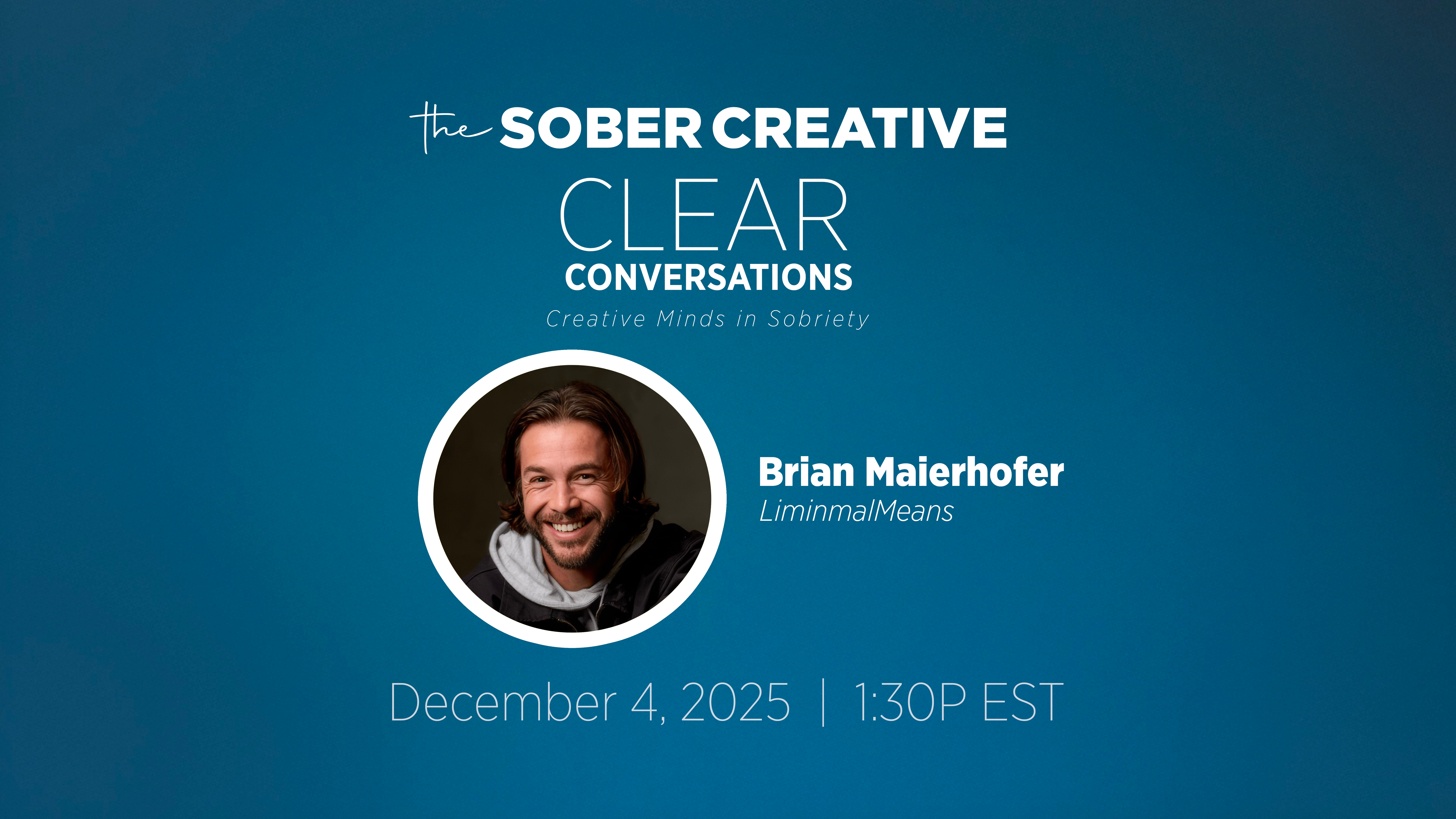
This past week, I sat down with Brian Maierhofer, a somatic therapist who spent his twenties believing the problem was his lack of discipline. He’d wake up journaling and praying that today would be different, then wake up the next morning reading yesterday’s journal, wondering what happened.
Brian wasn’t hitting some dramatic bottom. He was a 20-year-old college student watching the gap between his morning intentions and his evening behavior grow wider every day. He grew up near Red Rocks Amphitheater in Colorado, found cannabis at 13, and spent years chasing what he now calls “a differentiated self”—a version of himself that felt real.
The breaking point came two weeks into junior year. He called his father and said, “I need to get out of here.”
Here’s what he discovered in almost 12 years of recovery:
“If perfectionism were a coin, shame would be on one side and control on the other. Underneath perfectionism lies an internal monologue: ‘If I can do ALL the right things, I can get the right result, and then I’ll finally feel okay.’ This is a broken promise of control and safety.”
That promise is why so many creatives turn to substances—not because we lack willpower, but because we’re biochemically addicted to the hope-fear-shame cycle itself. Your body literally creates receptors for repeated emotional states. Breaking patterns feels like withdrawal because neurologically, it is.
Brian now writes about myth, madness, and meaning at LiminalMeans and is finishing a book called The Gift of Madness. He works with people healing chronic pain, trauma, and anxiety through somatic therapy and brain retraining.
And he learned something that changed everything about his understanding of discipline:
“We put something down when we find a worthy substitute. True discipline is about becoming a student of your own compassion—to learn out of love.”
That’s where creativity lives too. Not in forcing yourself into productivity, but in finding something worth creating for—something that makes the old pattern obsolete.

You can listen on Spotify and Apple Podcasts as well:
My Next Guest on🎙️Clear Conversations
Episode 030 with Elizabeth Austin on December 11th at 10:00a EST
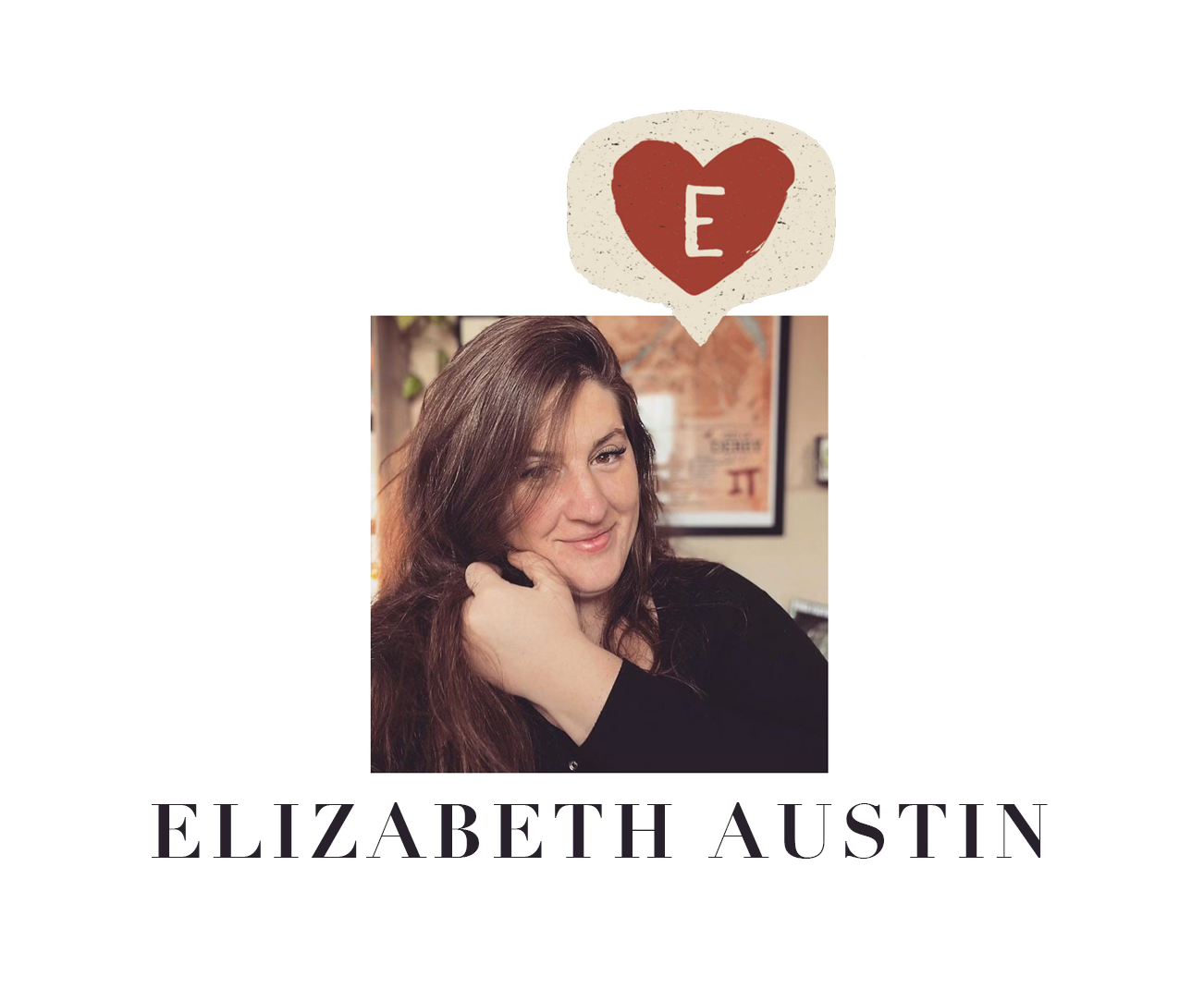
This week I’m sitting down with Elizabeth Austin, a full-time writer and solo mom who’s built an extraordinary creative career while navigating circumstances that would paralyze most people. In 18 months, Elizabeth has placed over 30 pieces across publications including The New York Times, TIME, and Harper’s Bazaar—all while raising two kids alone, processing her daughter’s childhood leukemia diagnosis and treatment, and rebuilding after an unexpected job loss. What draws me to Elizabeth’s work is her refusal to numb or self-protect on the page. She writes with the kind of raw, unflinching honesty that only comes from someone willing to sit with discomfort rather than blur the edges. I want to explore how she shows up to write about the hardest moments of her life with complete presence. What does it take to create when life refuses to pause? How do you maintain the clarity and focus required for a sustainable creative practice when everything around you demands immediate attention? Elizabeth is finishing a memoir that refuses to perform the “right” kind of motherhood or suffering, and I’m curious about the emotional and mental discipline required to do that kind of work. This is a conversation about presence, authenticity, and what becomes possible when you commit to showing up fully to your creative practice—no matter what else is happening.
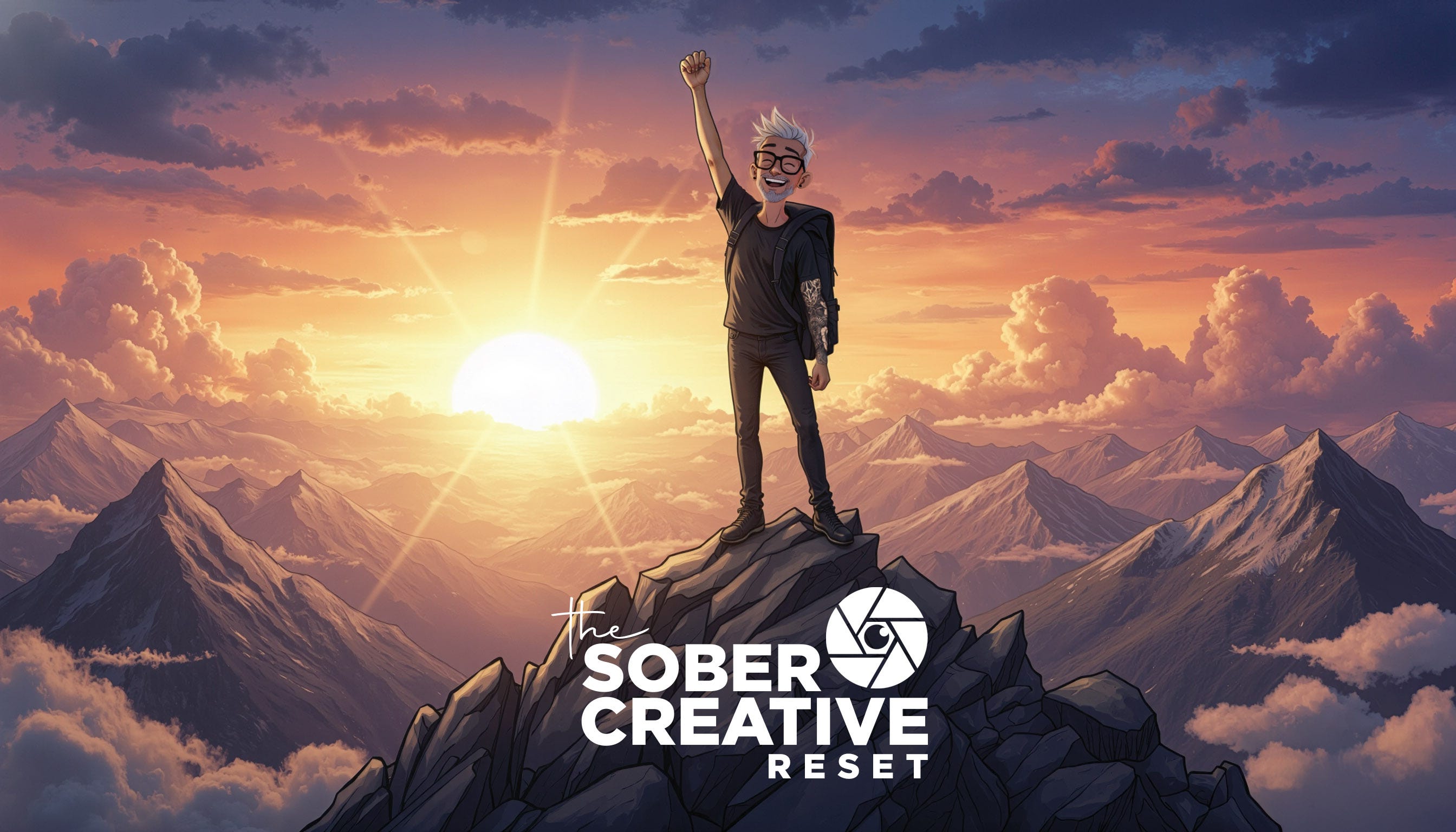
🎬 Behind the Scenes
Here’s a look into some of the work that went on producing the animation for The Sober Creative Reset that is coming in January.

I had so much fun producing this; you can bet there will be more themes and styles in the future.
P.S. You can view past newsletter editions here.
What’s Next For You?
The 31-Day Alcohol-Free Reset starts on January 1st.
If you want to see what your creativity feels like without alcohol in the way, this is your moment.
🎯 Alcohol may be quietly impacting your creative potential.
Below is a 5-minute quiz that reveals exactly how it’s affecting your specific creative expression—and how alcohol might be maintaining it.
🧐 You may already know alcohol could be impacting your creative potential.
Each step forward is an act of becoming the person you want to be.
Thank you for being here.
Josh