


✨Weekly Insight
Life is so fascinating. One minute I feel uplifted, joyful, ready to go. A few minutes later that can shift into doubt, uncertainty, fear.
A practice of being with what is.
My breath and movement bring me peace.
Whatever arises, I notice. I breathe. I let it flow. And then I move.
✍🏻Essays
You wake up groaning. Feet dragging. Reaching for anything. The first light pierces through and you turn away from the mirror. You don’t want to look.
12 ounces of water. Back to bed. 10 a.m. Judgment follows.
When you finally wake up in the middle of the day with body aches everywhere, you have two options: push through and do it all over again, or stop for a few days to get a glimpse at recovery.
Here’s the trap: your body recovers fast. A few days sober and you feel normal again. You forget the hell from a few days ago. You think, “I got through it once, I can do it again.”
And the cycle repeats.
What if the real problem isn’t the hangovers—it’s that physical recovery keeps you stuck at surface level? You’re so focused on getting back to “normal” that you never address why you’re drinking in the first place. The inadequacy. The “not enough” feeling. Those stay buried.
In week 5 of my 10-part series on the pain points of sobriety, I’m breaking down why your body’s resilience is both a blessing and a curse—and the science behind why sustained practices, not just stopping drinking, create the foundation for lasting recovery.
Week 5: Physical Recovery in Sobriety

10 Pain Points of Sobriety is a weekly series where I explore the real pain points of quitting alcohol—the uncomfortable truths that surface when initial motivation fades. I didn’t need alcohol to be creative; creativity was already part of my life. Alcohol stole the time and energy I could have spent creating. It was my escape from feelings of inadequa…
💡Disrupt the Pattern
There’s a specific phrase that’s common with drinking:
“I’m not that bad.”
It sounds reasonable. You’re functioning. You show up to work. You’re not causing obvious problems.
But here’s what that phrase actually protects you from admitting: That waking up at noon having pissed away half the day matters. That the shame you’re wallowing in matters. That asking yourself “what the fuck happened?” matters.
In this week’s episode, I explore how “I’m not that bad” becomes the excuse that keeps you hidden—comparing yourself to some imagined worse version instead of asking whether you’re creating your best work.
Because your creative capacity doesn’t care about comparisons to other people. It only cares about whether you’re showing up with clarity or showing up diminished.
The pattern: When you tell yourself “I’m not that bad,” you’re choosing to protect the drinking instead of protecting your creative work.
The disruption: Replace “I’m not that bad” with “Am I creating my best work right now?”
Your best work isn’t waiting for you to get worse. It’s waiting for you to get honest.
🎙️Clear Conversations: Creative Minds in Sobriety
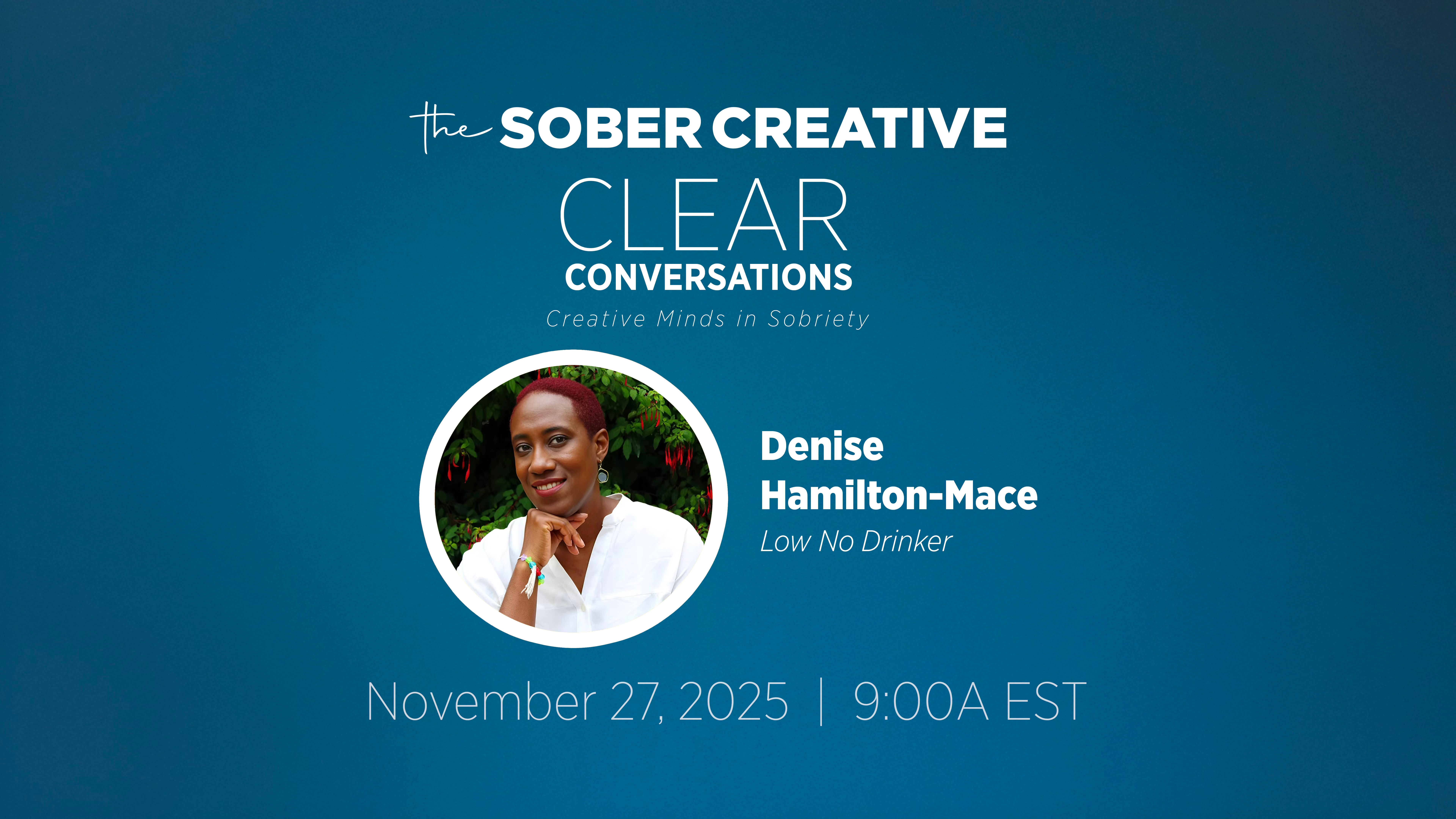
Recently, I sat down with Denise Hamilton-Mace, a writer and podcast host who spent 24 years working in hospitality—surrounded by alcohol—and never hit rock bottom. She just realized one day that drinking had become invisible, automatic, something she did without thinking.
Denise wasn’t ruining her life. She was a functional drinker who’d moved from social pints in London pubs to solo wine at home after having kids. But somewhere along the way, alcohol stopped being a choice and started being a reflex.
The last intentional drink she had was after a four-month experiment that began with Dry January.
Here’s what she discovered on the other side:
“I know myself better now in my 40s than I have at any point in my life. I have more self-confidence, more self-belief.”
That clarity didn’t come from abstinence alone—it came from reclaiming the power of choice. Denise now champions moderation and mindful drinking through her podcast and Substack, serving “curious drinkers” in midlife who don’t fit the traditional recovery narrative. She’s been both celebrated and rejected for refusing to pick a side, including being uninvited from podcasts that couldn’t handle her nuanced stance.
And she learned something surprising about creativity too: She was told her entire career that she wasn’t creative. She believed it. Then she changed her drinking and launched a magazine—creating, editing, designing, and laying out 15 issues completely on her own.
“This is not something I could have done if I was drinking the way that I was beforehand.”

My Next Guest on🎙️Clear Conversations
Episode 029 with Brian Maierhofer on December 4th at 1:30p EST
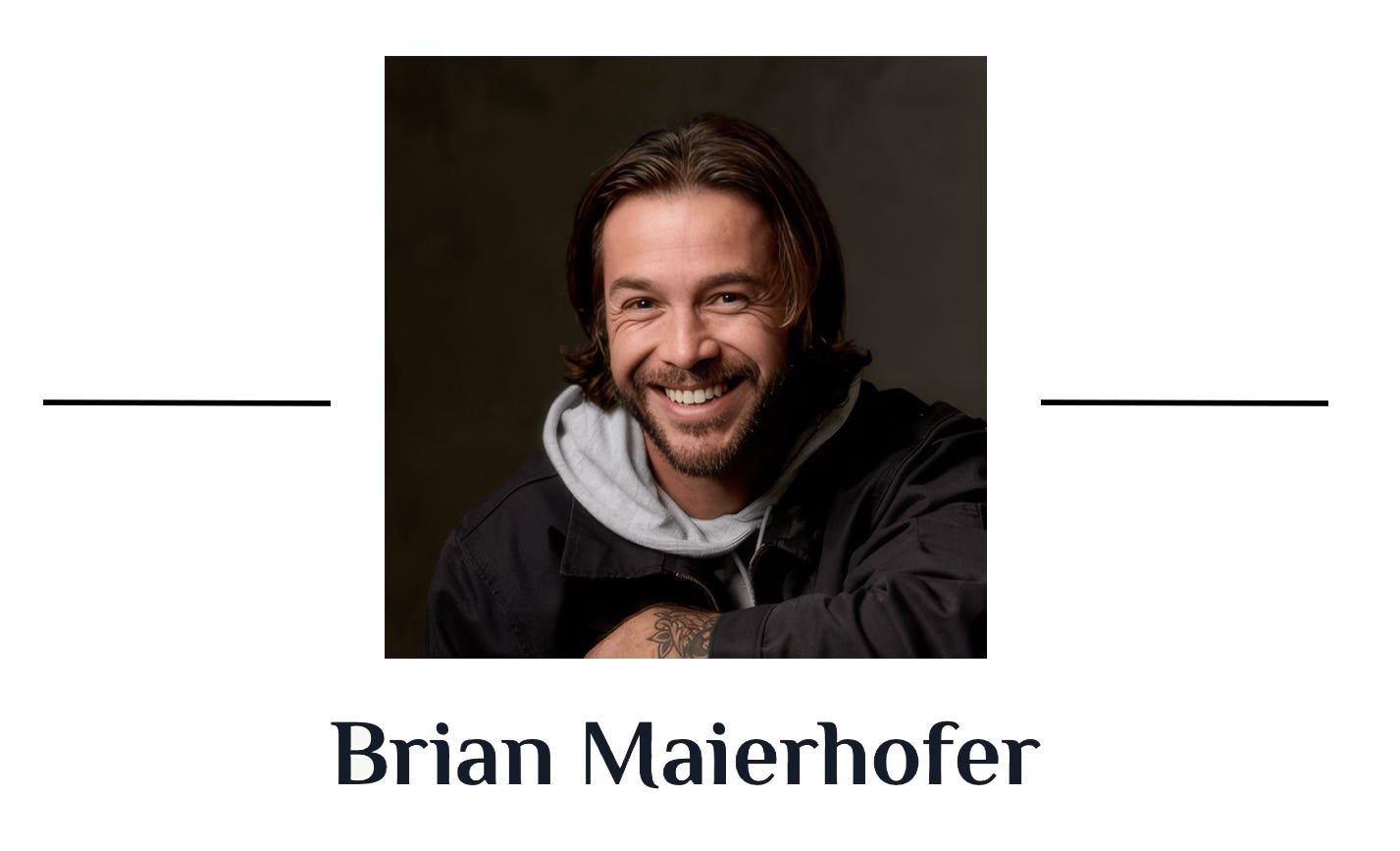
What if the mirror you’ve been using to see yourself is cracked? This week’s guest on Clear Conversations understands that we’re all walking around with distorted self-images—amplified by perfectionism, negativity bias, and a culture that’s losing its grip on genuine human connection. Brian Maierhofer is a somatic therapist who writes about myth, madness, and meaning at LiminalMeans, where he’s exploring how our greatest wounds become our greatest gifts. He’s currently writing a book called The Gift of Madness that challenges everything we think we know about addiction and healing. Join us as we discuss why we can’t see ourselves clearly alone, how Carl Rogers revolutionized therapy by believing clients are the experts in their own lives, and why being “professionally human”—flawed, beautiful, and real—is the radical act our AI-saturated world desperately needs.
🎬 Behind the Scenes
So last week I shared a proof of concept for an animation I started developing.
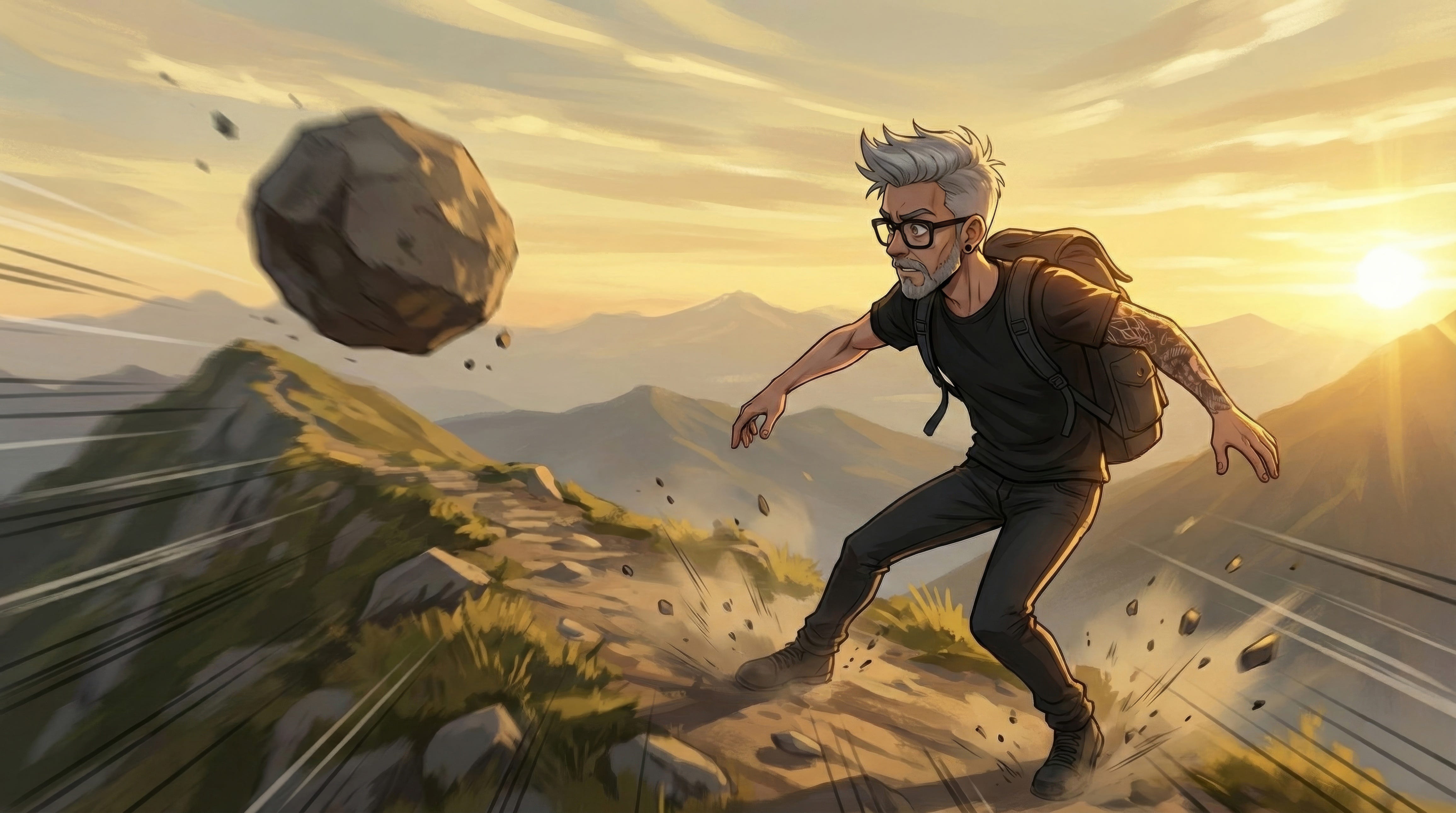
It’s done.
I’m shocked at what you’ll see and how quickly I managed to do this.
Patting myself on the back for this one. It’s really good. I can’t wait to show you tomorrow.
P.S. You can view past newsletter editions here.
What’s Next For You?
The 30-Day Alcohol-Free Reset starts on January 1st.
If you want to see what your creativity feels like without alcohol in the way, this is your moment.
🎯 Alcohol may be quietly impacting your creative potential.
Below is a 5-minute quiz that reveals exactly how it’s affecting your specific creative expression—and how alcohol might be maintaining it.
🧐 You may already know alcohol could be impacting your creative potential.
Each step forward is an act of becoming the person you want to be.
Thank you for being here.
Josh
Thank you so much for having me on The Sober Creative Podcast, Josh.
It was a wonderfully refreshing talk that I'm so grateful to be able to have.
There are different approaches to alcohol reduction, as there are different approaches to life, and the more we can open up the conversation, the more people we can help to choose a life less intoxicated on their own terms.